
From the Team
HVAC Tips & Guides for Oklahoma City
All articles
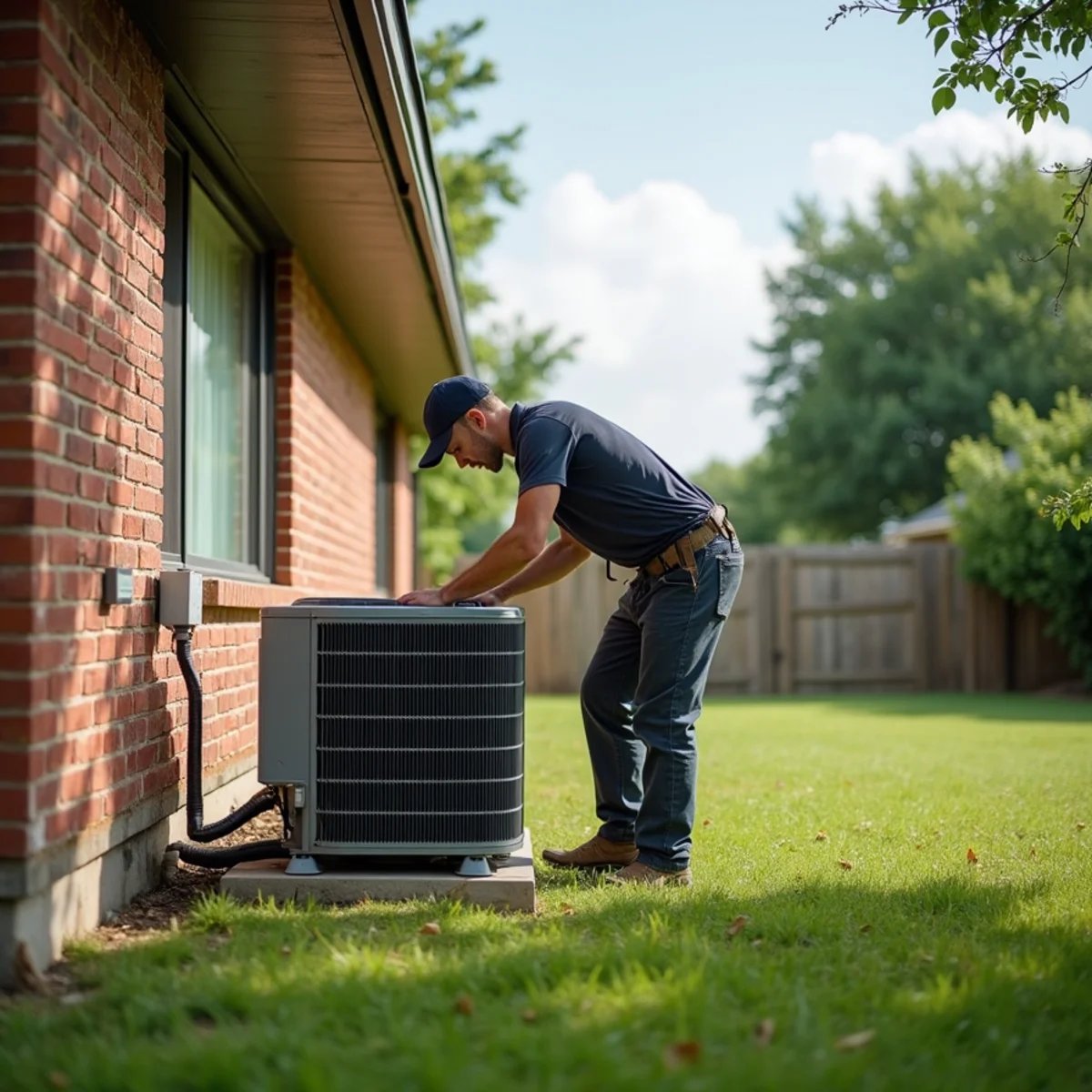
HVAC Maintenance Checklist for Oklahoma City Homeowners: Spring and Fall
In Oklahoma City, your central air conditioner should be serviced in early spring before the first stretch of 90-degree days, and your furnace in early fall before the first hard freeze. Homeowners can handle filter changes, clearing debris from around the outdoor unit, and keeping supply vents unblocked. Anything involving refrigerant, gas lines, or electrical components belongs to a technician.
Read more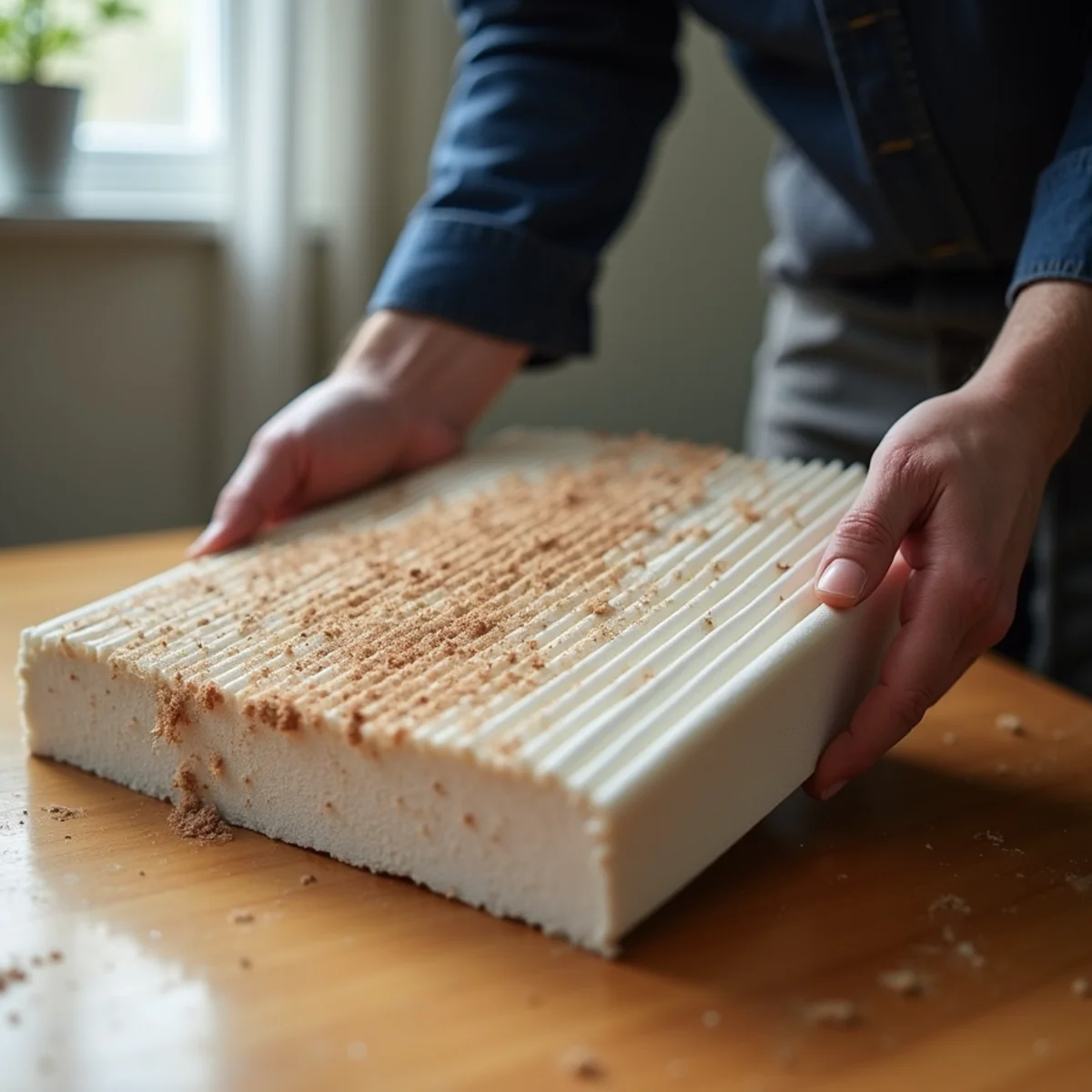
How Often Should You Change Your Air Filter in Oklahoma?
Most Oklahoma City homes need a new 1-inch filter every 30 days during spring and summer, not the 90 days printed on the box. Red dust from open ground and heavy cedar pollen load filters here far faster than in the milder regions those national intervals were written for. In fall and winter, when the system runs less and the air carries less dust, 60 to 90 days is usually reasonable.
Read more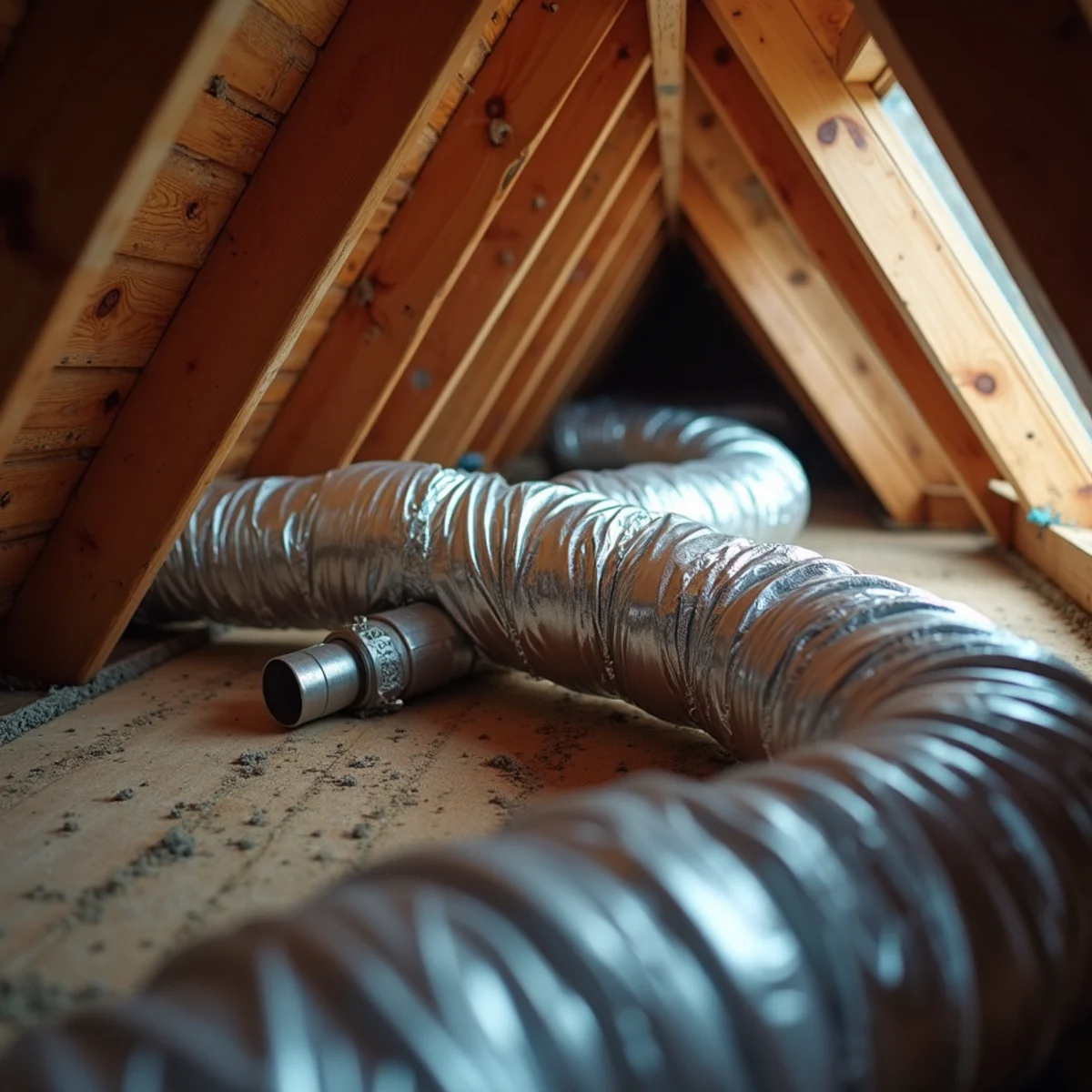
Are Duct Leaks Driving Up Your Energy Bill?
If your ducts leak, the air you paid to cool or heat is escaping into your attic, crawlspace, or wall cavities before it ever reaches a room. The usual signs are rooms that never reach the thermostat setting, a system that runs constantly, dusty registers, and a bill that climbed without a change in habits. Duct leakage is measurable — a technician can test it rather than guess.
Read more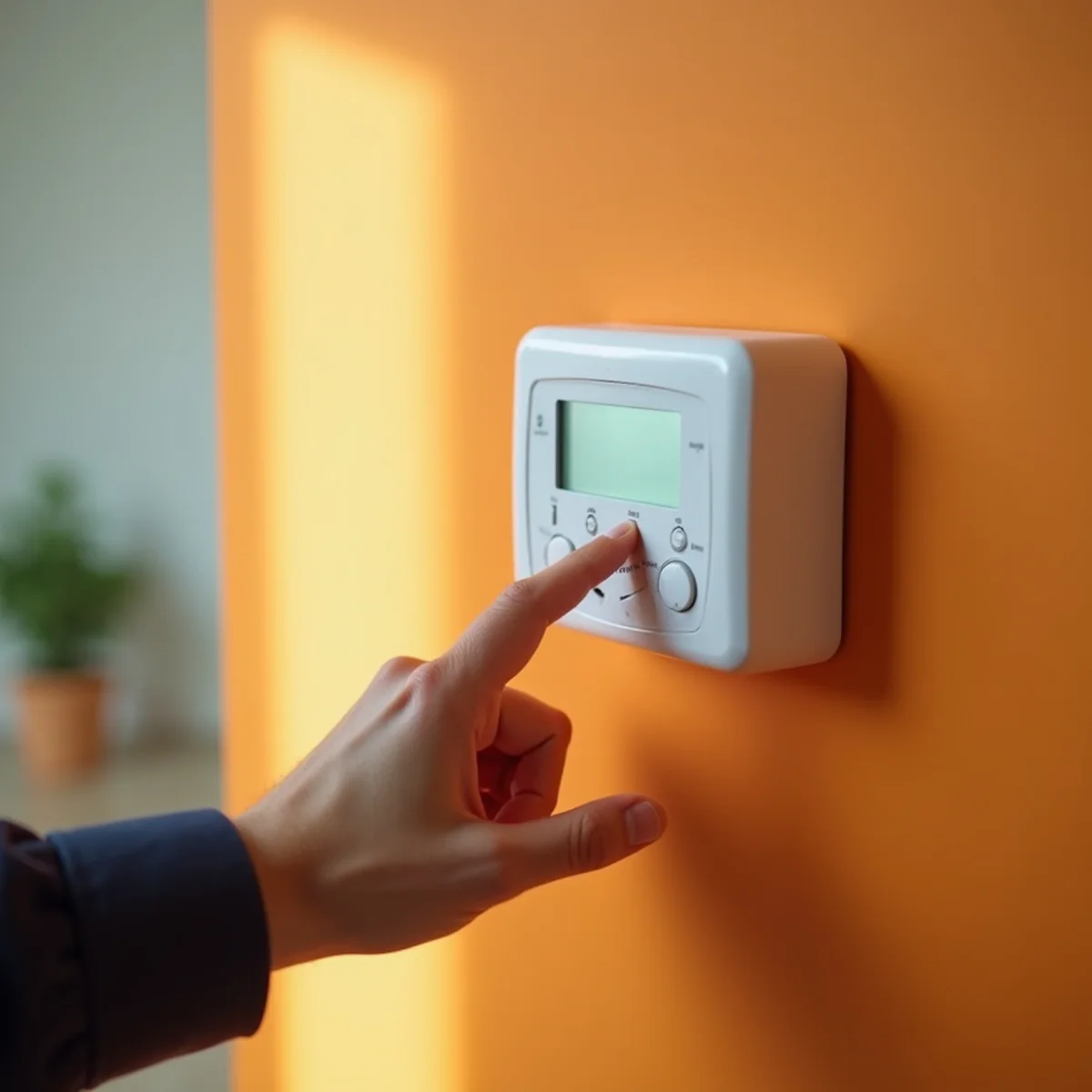
Thermostat Settings That Balance Comfort and Cost in Oklahoma Summers
The Department of Energy recommends 78 degrees when you are home in summer and 68 degrees when you are home and awake in winter, with a setback of several degrees while you are asleep or away. Those are real starting points, not rules — in an Oklahoma July, an aggressive daytime setback can leave your system running for hours to catch up in the evening. The setting that works is the one your system can actually hold without running continuously.
Read more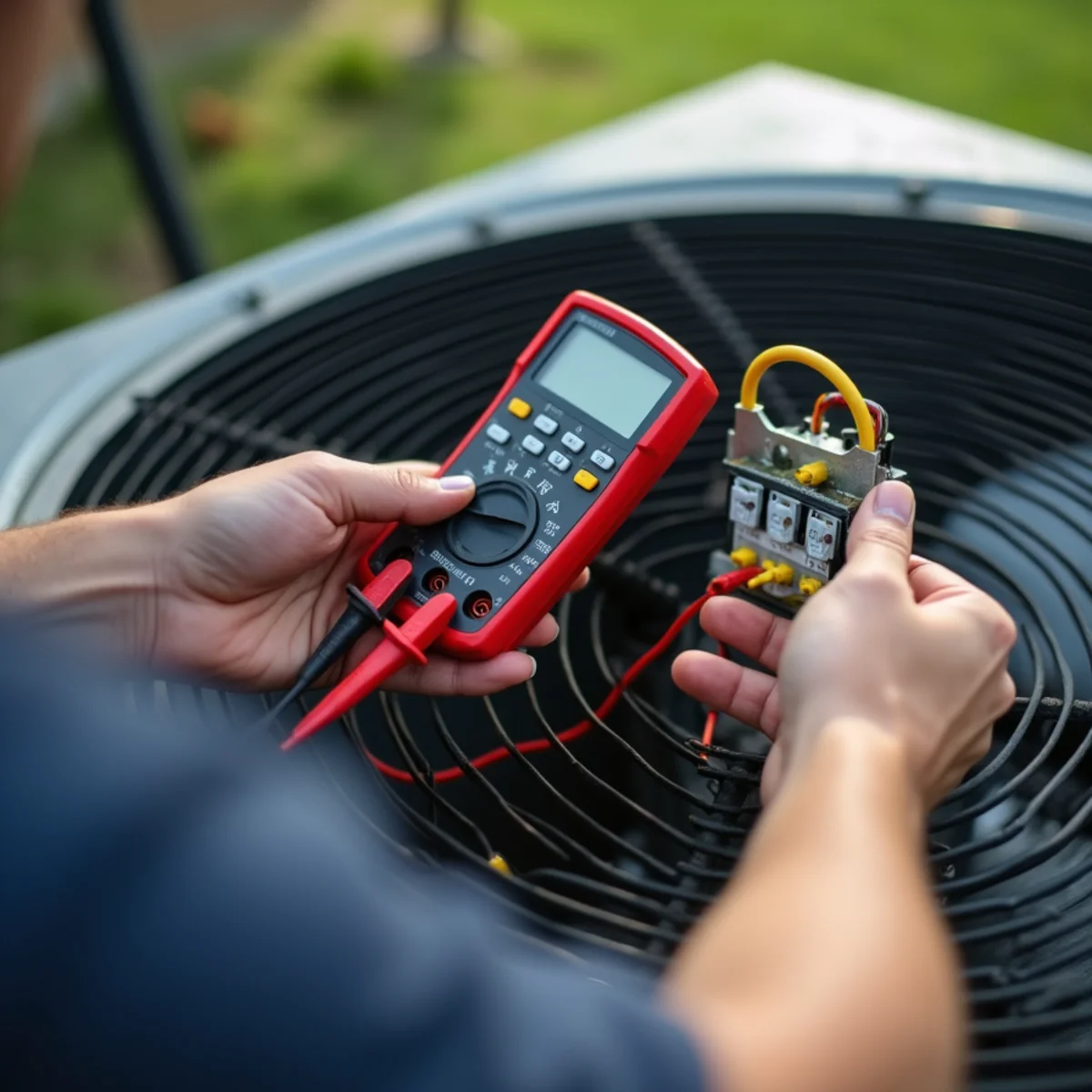
What Does an HVAC Tune-Up Actually Include?
A tune-up is an inspection and service visit where a technician measures how your system is actually performing rather than just looking at it. On a cooling visit that means checking refrigerant charge, testing electrical components and capacitors, cleaning the condenser coil, clearing the condensate drain, and measuring temperature split across the coil. On a heating visit it means inspecting the heat exchanger, testing the ignition and flame sensor, checking gas pressure and combustion, and verifying safety controls shut the system down when they should.
Read more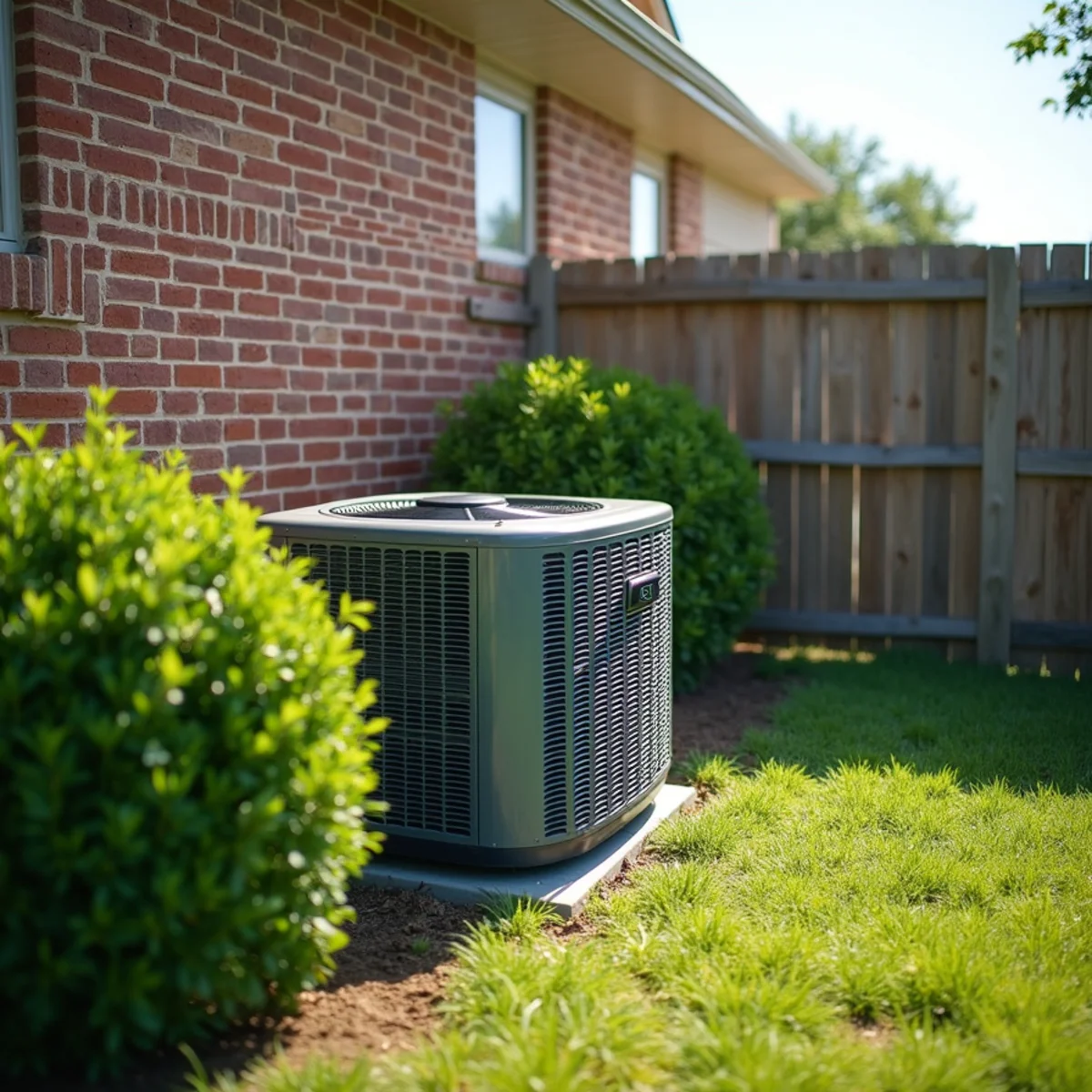
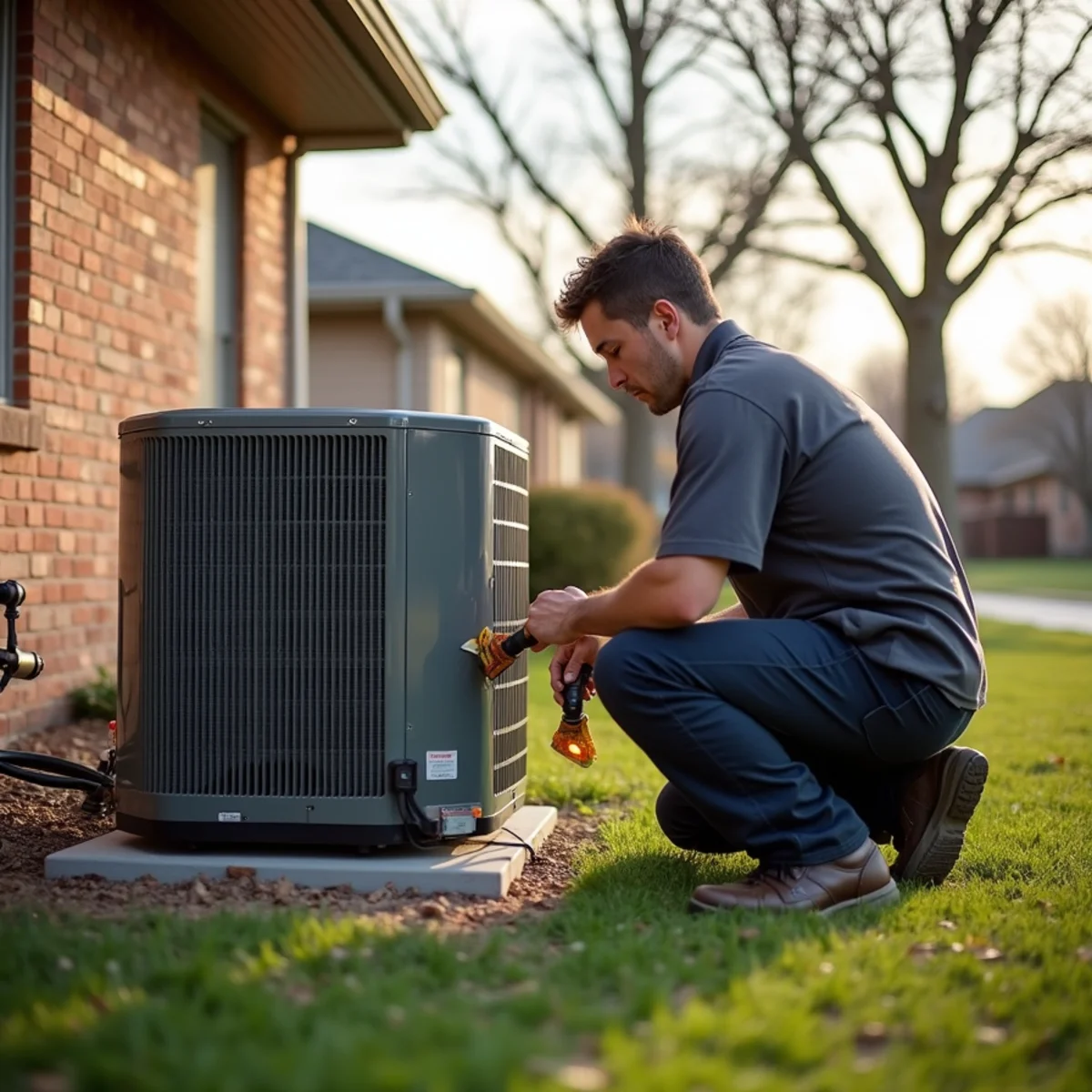
How Much Clearance Does an Outdoor AC Unit Need?
As a general rule, keep at least two to three feet of clear space on all sides of your outdoor unit and five feet of open space above it, unless your equipment's manual specifies otherwise — always follow the manual first. The condenser works by pulling air across its coil and pushing heat out the top, so anything blocking that path forces the system to work harder against its own exhaust. Shrubs, fences, stacked firewood, and lattice screens are the usual culprits.
Read more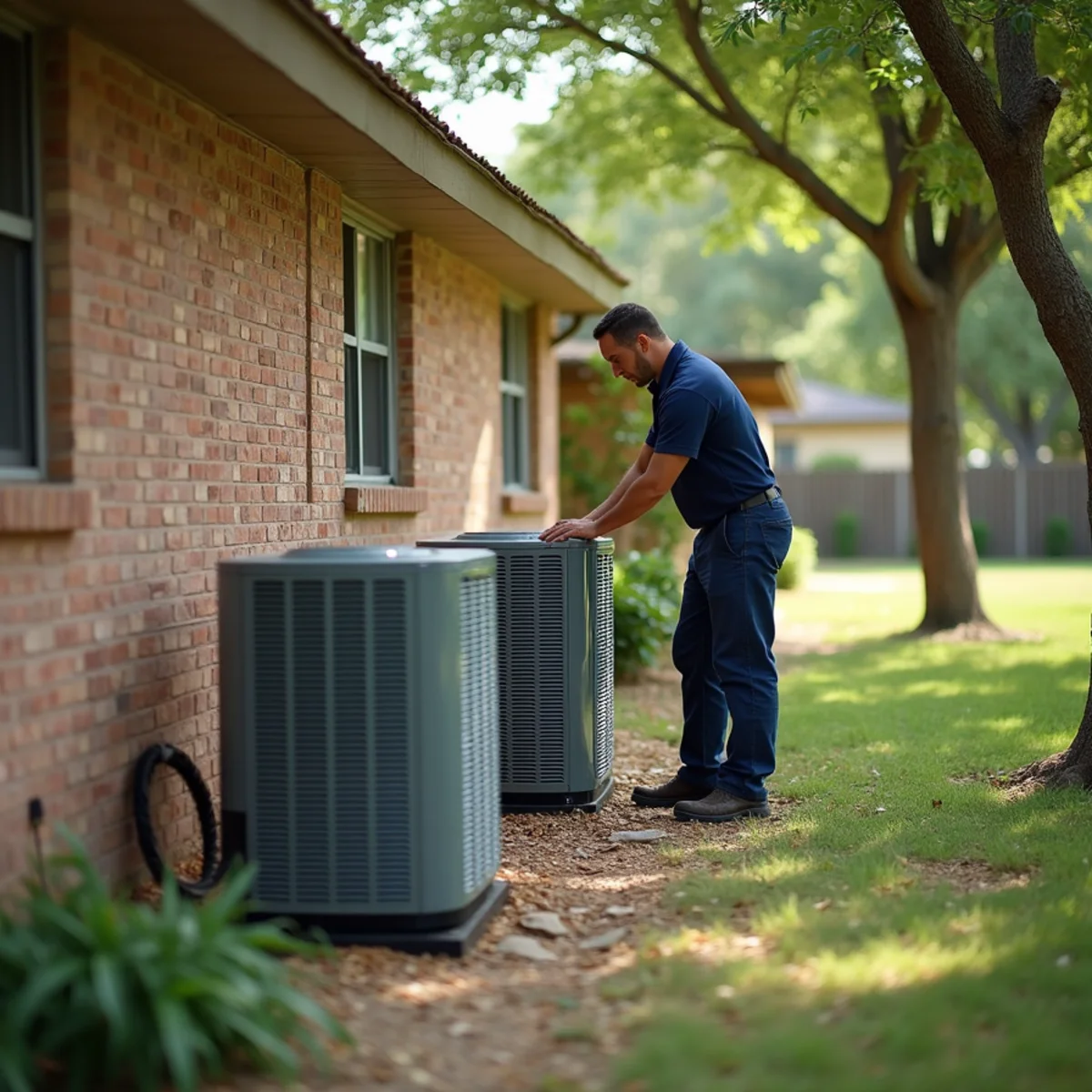
Preventive HVAC Maintenance for Oklahoma City Rental Properties
For rental properties, the goal of HVAC maintenance is not efficiency — it is avoiding the failure that happens at 6 p.m. on the hottest day of July with a tenant on the phone. Two scheduled service visits a year, a filter plan the tenant can actually follow, and a standard check at every turnover will catch most of what would otherwise become an after-hours call. Between-tenant vacancies are the cheapest time to do all of it.
Read more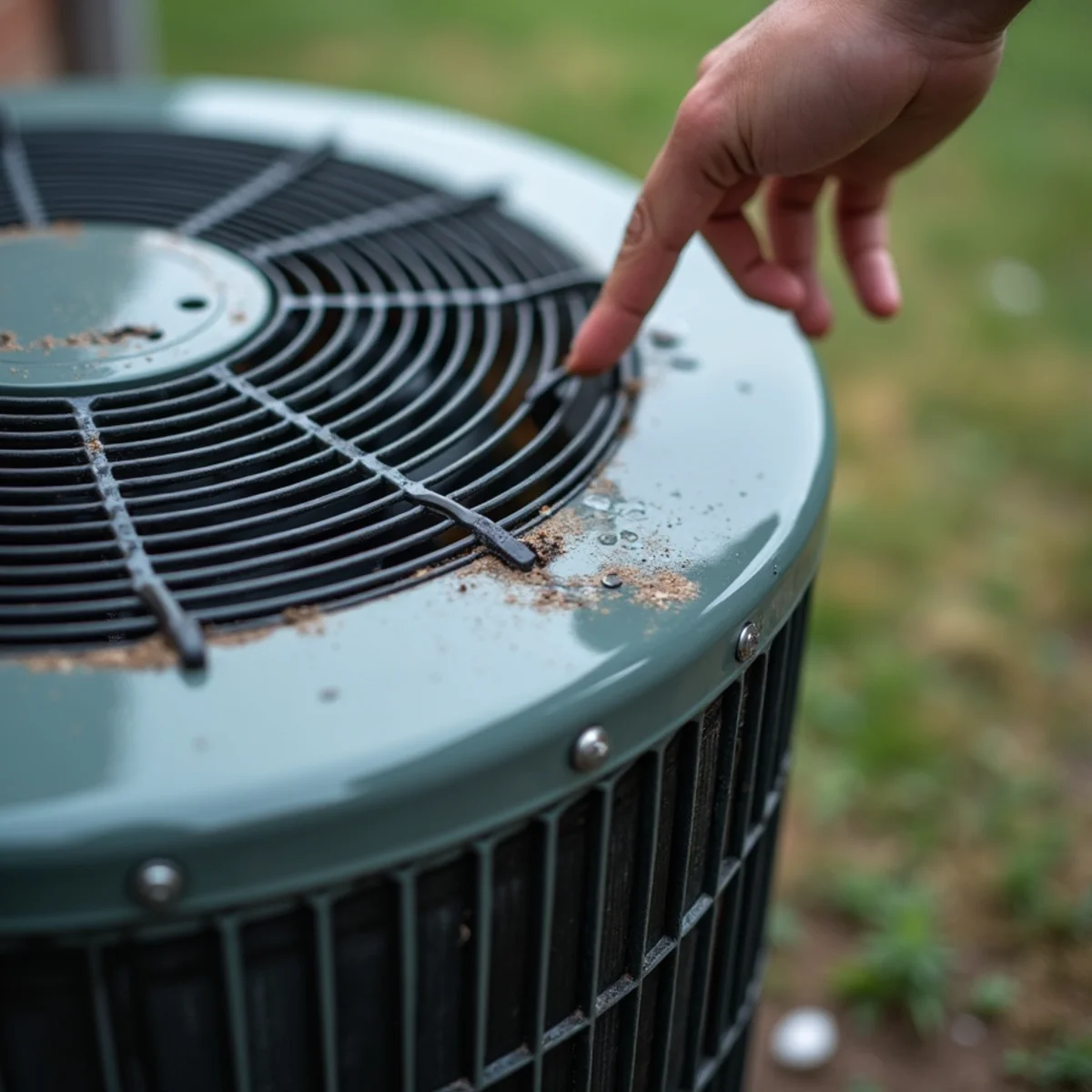
After the Hail: How to Inspect Your AC Condenser and Document the Damage
After a hail storm, look at your outdoor unit for flattened or dented coil fins, dents in the cabinet and top grille, a bent or damaged fan blade, and any debris driven into the coil. Fin damage is the most common and the most misjudged — a coil can look cosmetic and still be restricting airflow enough to hurt cooling and raise head pressure. Photograph everything before anyone touches it, because hail damage to an outdoor unit is frequently covered under a homeowner's policy and your documentation is what supports the claim.
Read more
How Oklahoma Red Dust and Cedar Pollen Get Into Your Home's Air
Oklahoma's red dust and cedar pollen get into your house three main ways: through gaps in the building envelope, through leaks in ductwork running through the attic or crawlspace, and around a filter that doesn't seal tightly in its slot. Your HVAC system then circulates the particles through every room. Sealing the ducts and correcting filter bypass usually does more than upgrading the filter alone.
Read more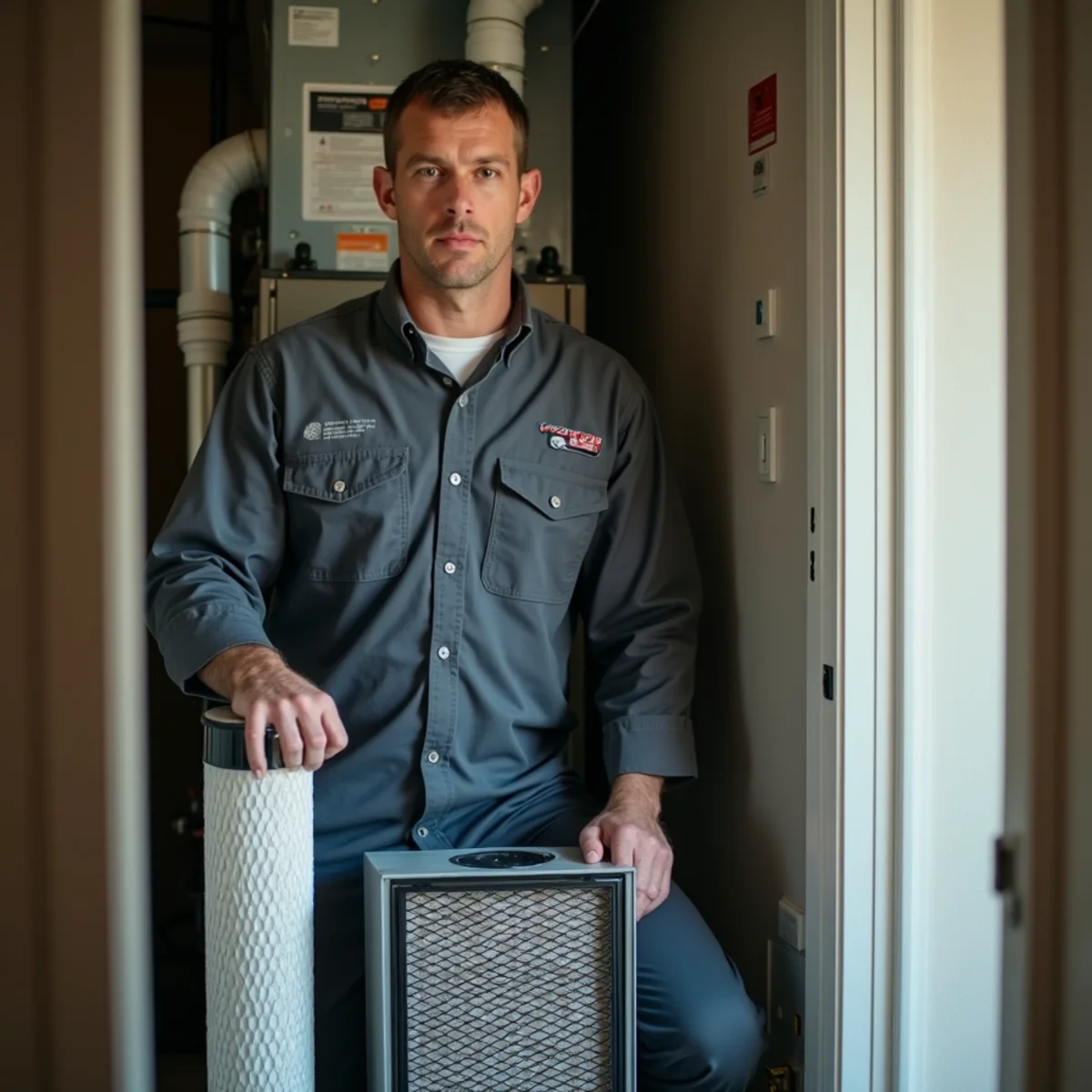
Air Purifier vs. a Higher-MERV Filter: Which One Do You Actually Need?
A higher-MERV filter catches smaller particles using the equipment you already have, but past a certain rating it can restrict airflow enough to hurt performance on a system that wasn't designed for it. A whole-home air purifier adds a separate treatment stage sized to your ductwork, so it doesn't force that tradeoff — but it costs more and needs to be matched to your system. If your goal is less visible dust, start with the filter and the filter seal; if you've already tried that and want more, that's when a purifier makes sense.
Read more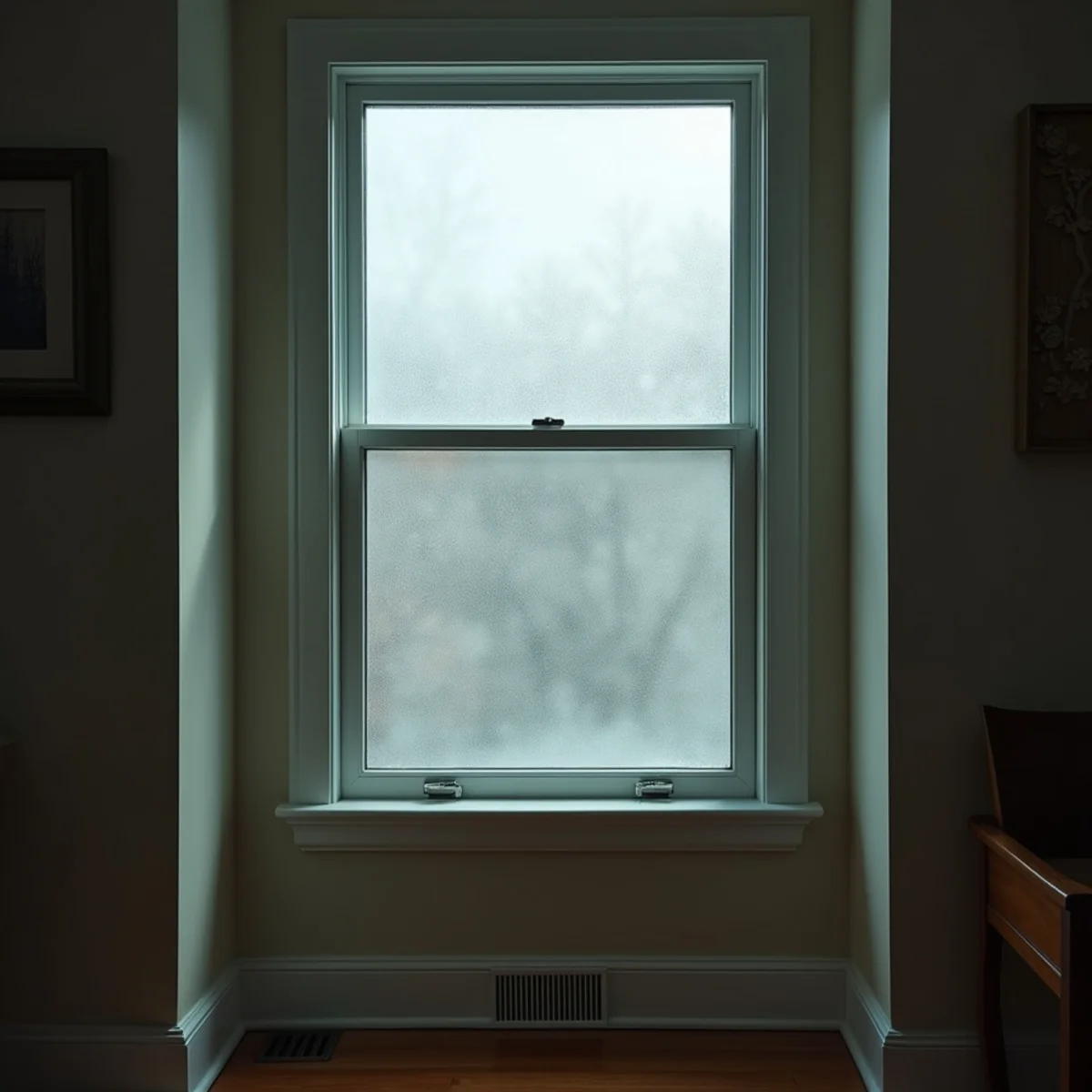
Signs Your Home's Humidity Is Too High or Too Low (and What It's Telling You)
High indoor humidity shows up as sticky or clammy air even when the thermostat is satisfied, condensation on windows, musty smells, and doors that stick in their frames. Low humidity shows up as static shocks, dry throats, gaps opening in wood floors, and dust that seems to hang in the air. In Oklahoma both happen in the same house — high in summer, low in winter — and the fixes are different for each.
Read more
Hot Upstairs, Cold Downstairs: Why Your Home's Temperatures Are Uneven
A hot upstairs and cold downstairs is almost always an air delivery problem, not a thermostat problem. The most common causes are leaking or disconnected ducts in a hot attic, duct runs that are too small or too long to serve the upper floor, and a return system that can't pull air back from the rooms that need it. Closing vents downstairs rarely fixes it and often makes the system work harder — the fix is finding out where the air is actually going.
Read more
A Small Business Owner's Commercial HVAC Maintenance Checklist
Commercial HVAC maintenance breaks into three tiers: what your staff can check monthly (filters, drain pans, unobstructed returns, unusual noises), what needs a technician twice a year (coil cleaning, belts, electrical connections, refrigerant charge, controls), and what gets logged so you can spot a trend before it becomes a shutdown. The single most valuable habit for a small business is keeping a written log — most emergency calls we see were preceded by something someone noticed weeks earlier and didn't write down.
Read more
Rooftop Unit Warning Signs Every Facility Manager Should Know
The rooftop unit warning signs that can't wait are burning or electrical smells, a breaker that trips repeatedly, visible smoke, and any gas odor near the unit or its vents. The signs that mean 'schedule service soon' are short cycling, ice on the coil or refrigerant lines, rising energy use with no change in weather, water pooling around the curb, and comfort complaints that move around the building. Nearly every expensive rooftop failure sends one of these signals first.
Read more
How Property Managers Reduce HVAC Service Disruptions to Tenants
Most tenant-facing HVAC disruption isn't caused by the failure itself — it's caused by not knowing which unit serves which space, not having the failure history to predict it, and scheduling the fix during business hours. The three changes that reduce disruption most are a unit-to-tenant map every technician can use, a complaint triage process that separates comfort issues from equipment failures before a truck rolls, and scheduling planned work around tenant operating hours instead of yours. None of it requires new equipment.
Read more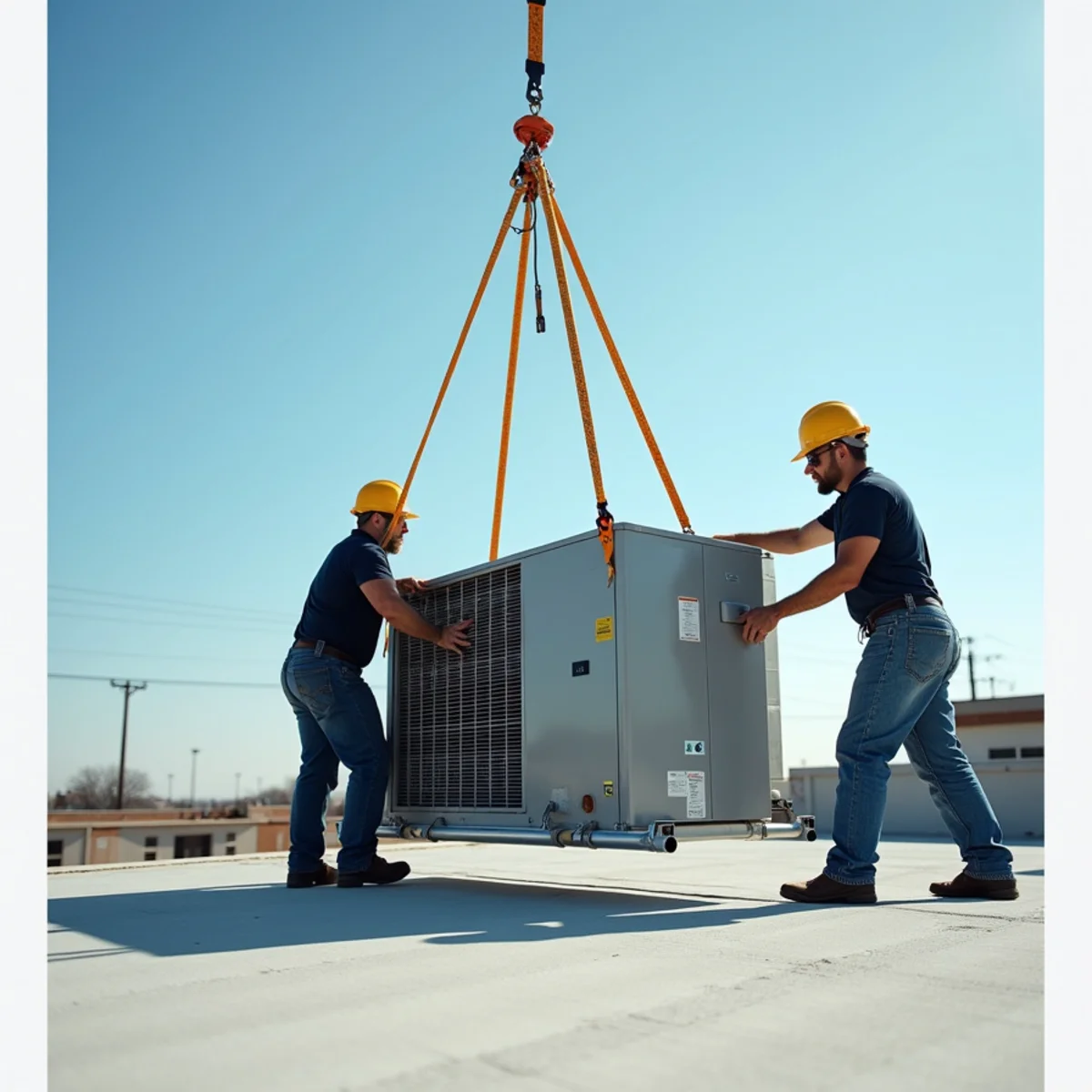
Planning a Commercial HVAC Replacement Without Shutting Down
Most commercial HVAC replacements can be done without closing, but only if the planning starts months before the equipment fails. The three decisions that determine whether you stay open are timing (shoulder season, when the unit you're replacing isn't carrying the building), sequencing (replacing one unit at a time so the others cover the load), and lead time (ordering equipment before you need it, not after it dies). The businesses that end up closing are almost always the ones that waited for a failure in July.
Read more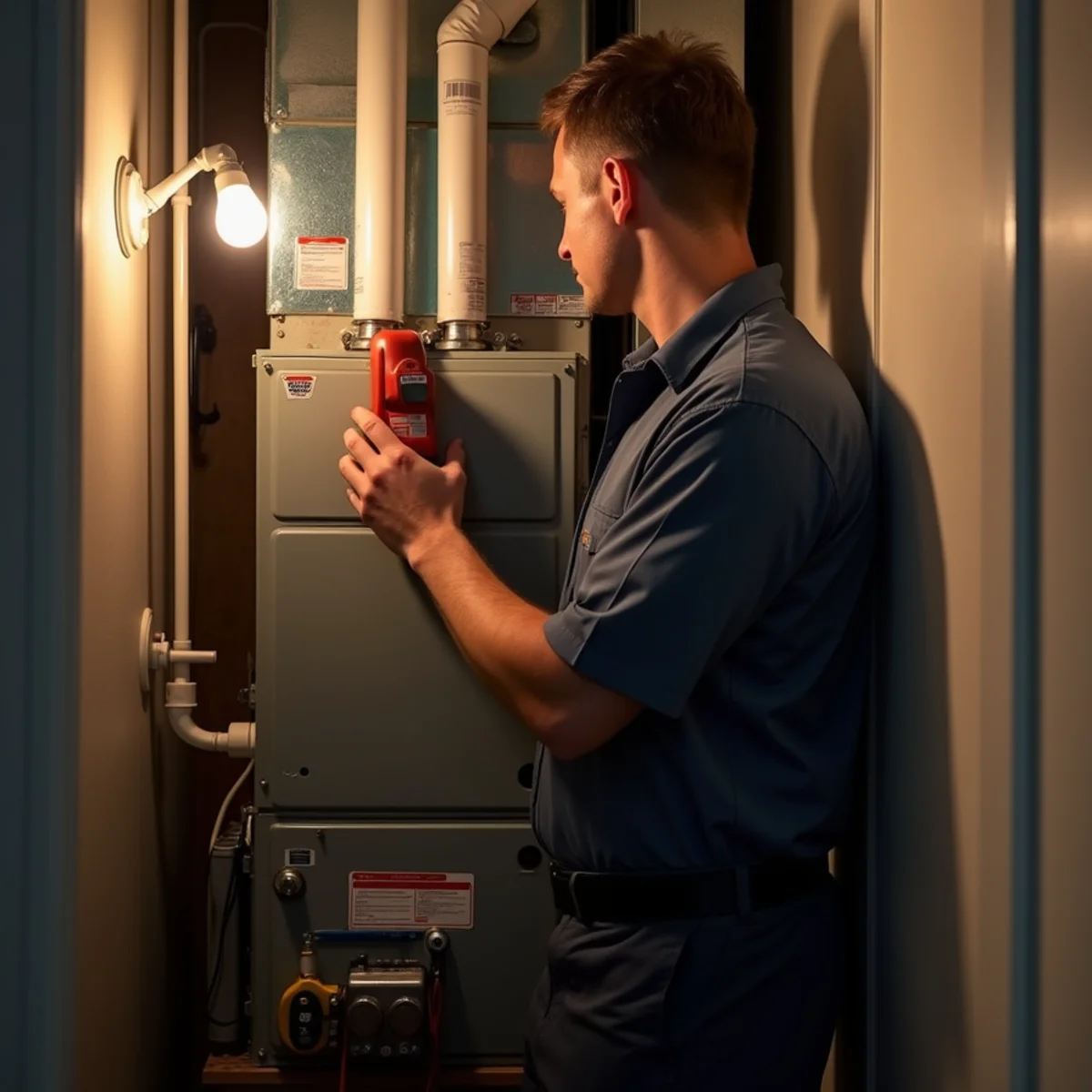
Why Is My Furnace Blowing Cool Air? Common Causes for Oklahoma City Homes
A furnace blowing cool air most often comes down to one of four things: the thermostat fan is set to ON instead of AUTO, a clogged filter is causing the burners to overheat and shut off, the flame sensor is dirty and killing the flame seconds after ignition, or the furnace has locked out on a safety control. The fan setting is the only one a homeowner should handle. If you smell gas or burning at any point, leave the house first and call 911 or your gas utility from outside.
Read more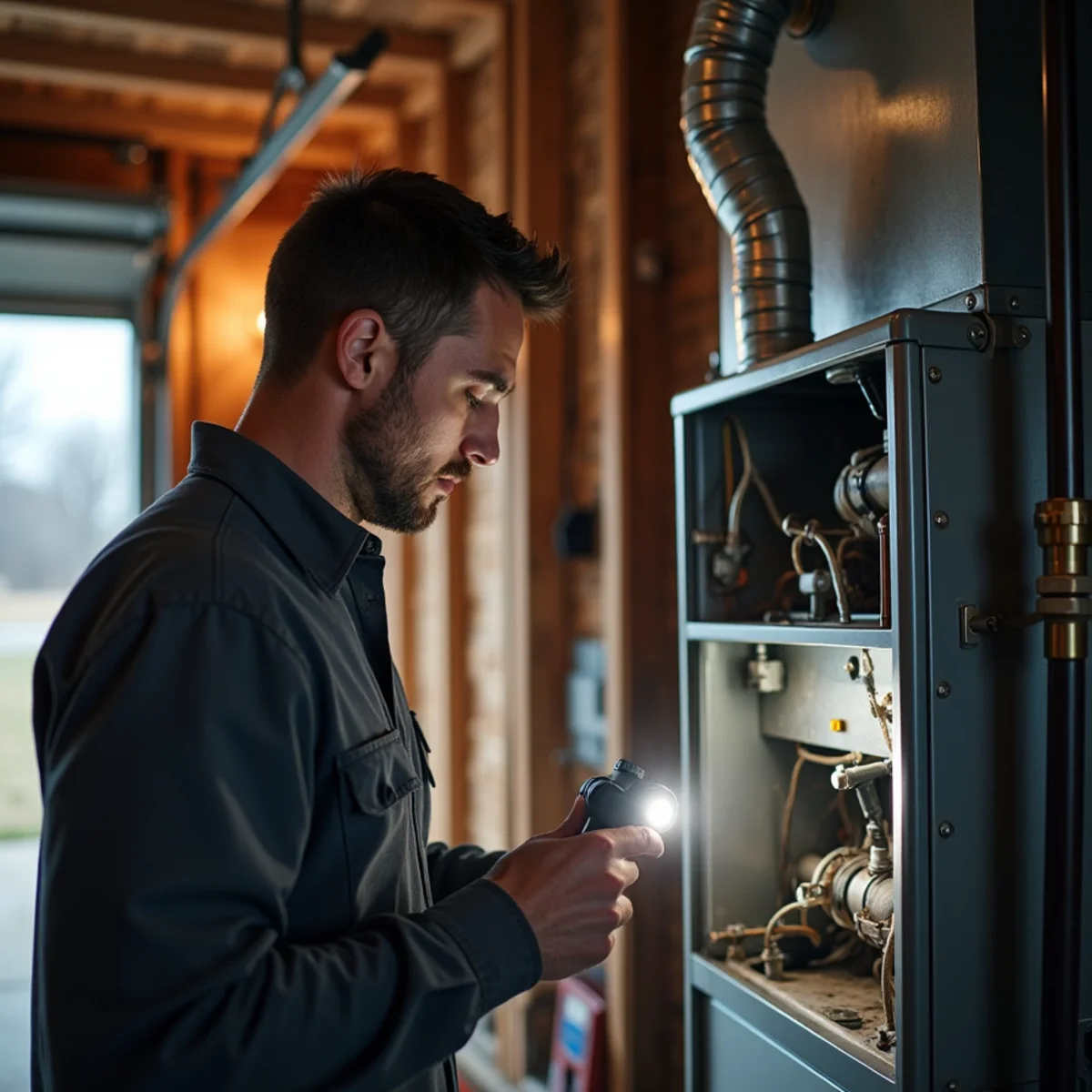
Furnace Repair or Replacement? How to Decide for an Oklahoma City Home
Repair usually makes sense when the furnace is under roughly ten years old, the failure is a single component, and it has not needed repeated service. Replacement moves ahead of repair when the unit is well into its second decade, when repairs are stacking up season after season, or when a technician documents a cracked heat exchanger or a failed safety control. A cracked heat exchanger is the one finding that ends the debate: that furnace should be shut down, not patched.
Read more
Getting Your Heat Ready Before the Next Oklahoma Cold Front
The single most useful thing you can do before an Oklahoma cold front is run your heat for fifteen minutes a week before you need it, not the night it arrives. Set the thermostat about five degrees above room temperature, let the system run a full cycle, and pay attention to smells, noises, and whether every room actually gets warm air. A furnace that fails that test in mild weather is a scheduled repair; the same furnace failing at 2 a.m. in a hard freeze is a much worse day.
Read more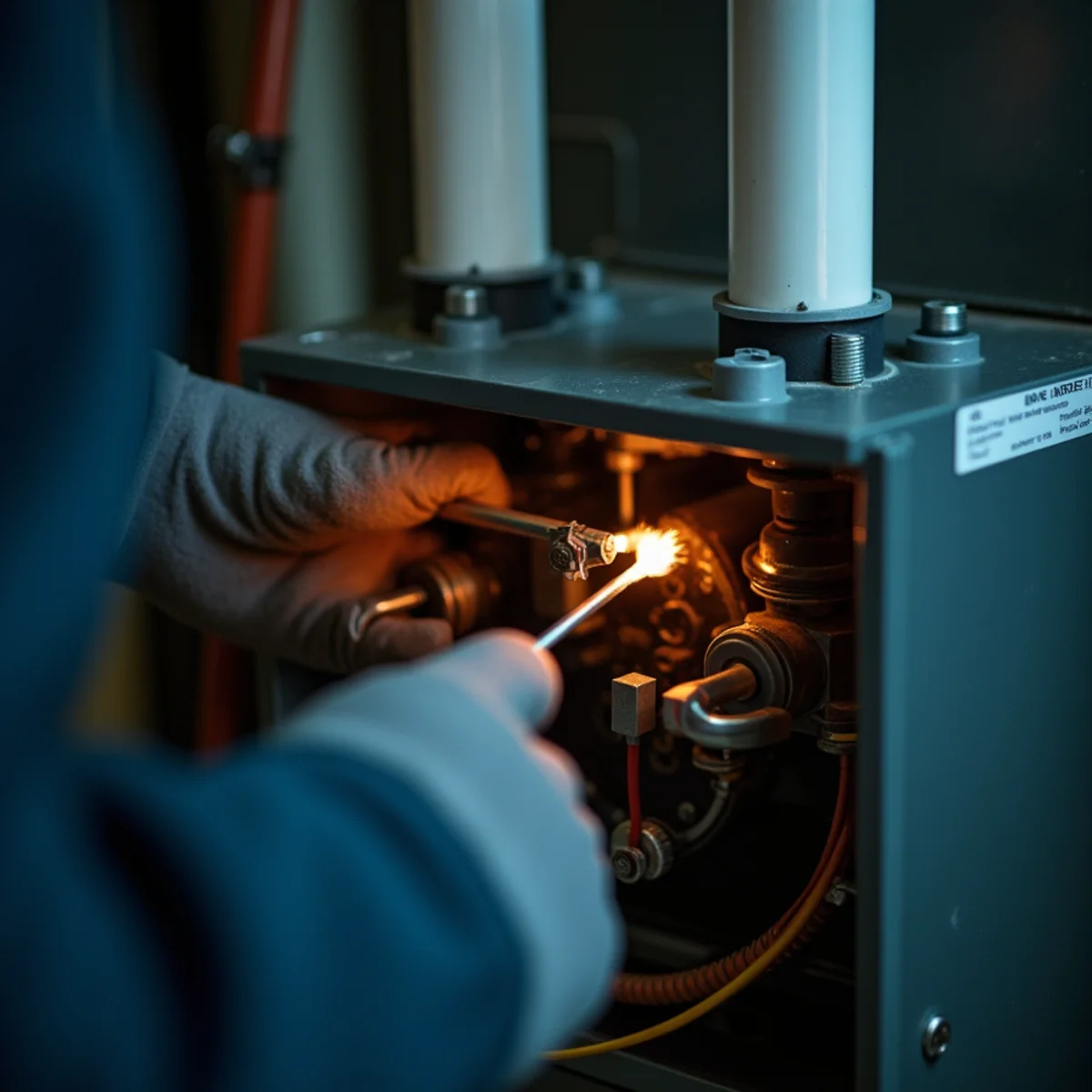
Furnace Won't Turn On or Won't Ignite? What to Check and What to Leave Alone
Before anything else: if you smell gas, leave the house immediately and call 911 or your gas utility from outside. Otherwise, a furnace that won't turn on most commonly traces back to a thermostat set wrong or with dead batteries, a tripped breaker, a furnace power switch someone flipped off, a blower door that isn't latched, or a clogged filter that tripped a safety. Those five are safe for a homeowner to check. Ignition components, the gas valve, and anything involving wiring are not.
Read more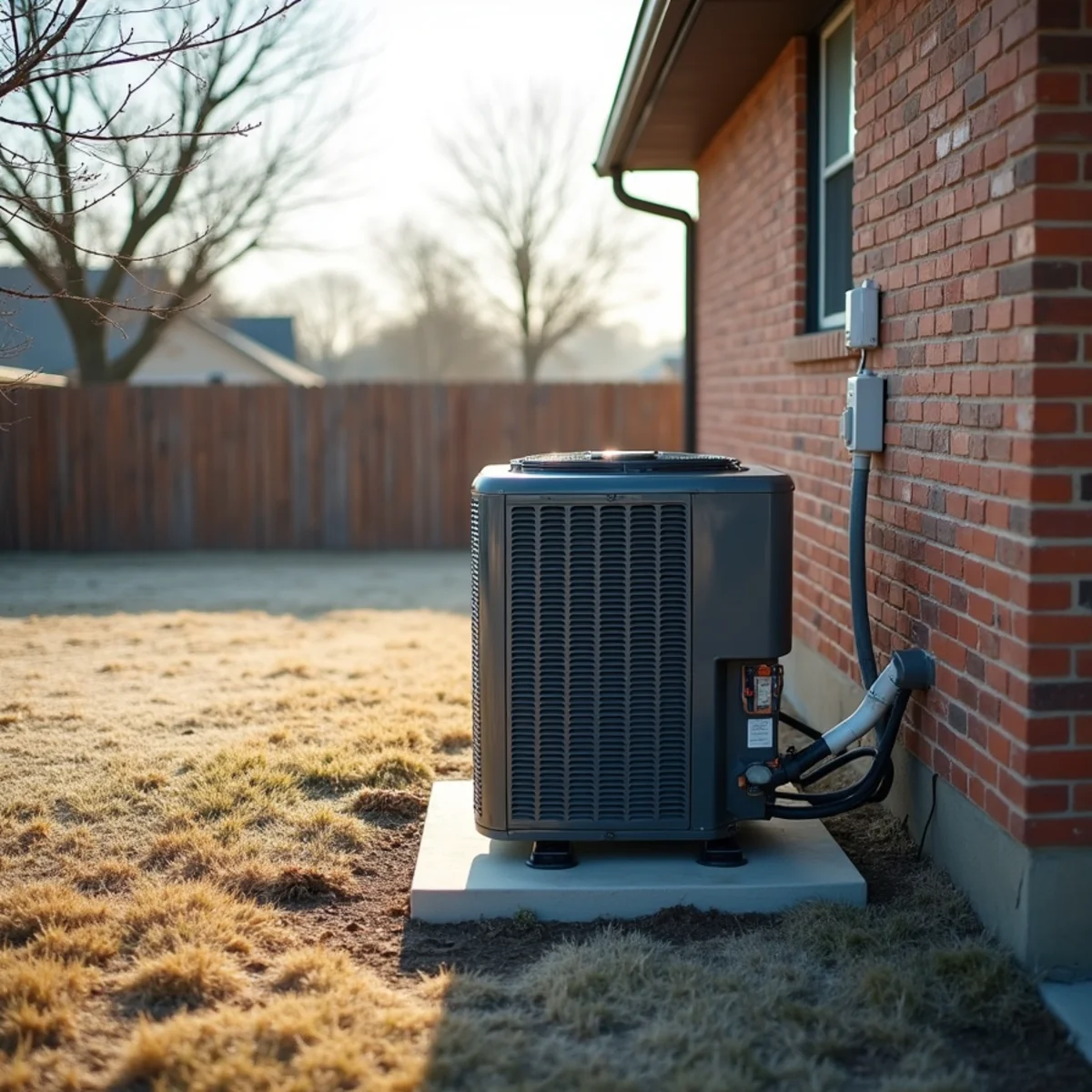
Heat Pump vs. Gas Furnace in Oklahoma City: An Honest Comparison
Here's the part most comparison pages skip: in Oklahoma, where natural gas is inexpensive, a heat pump is generally not going to beat a gas furnace on the cost of producing a unit of heat. The heat pump's honest advantage is different - it's one piece of outdoor equipment that both heats and cools, so you're maintaining and eventually replacing one system instead of two. If you're replacing an aging furnace and an aging AC at the same time, that's the comparison that actually matters. If your furnace is fine and only the AC has failed, the math looks very different.
Read more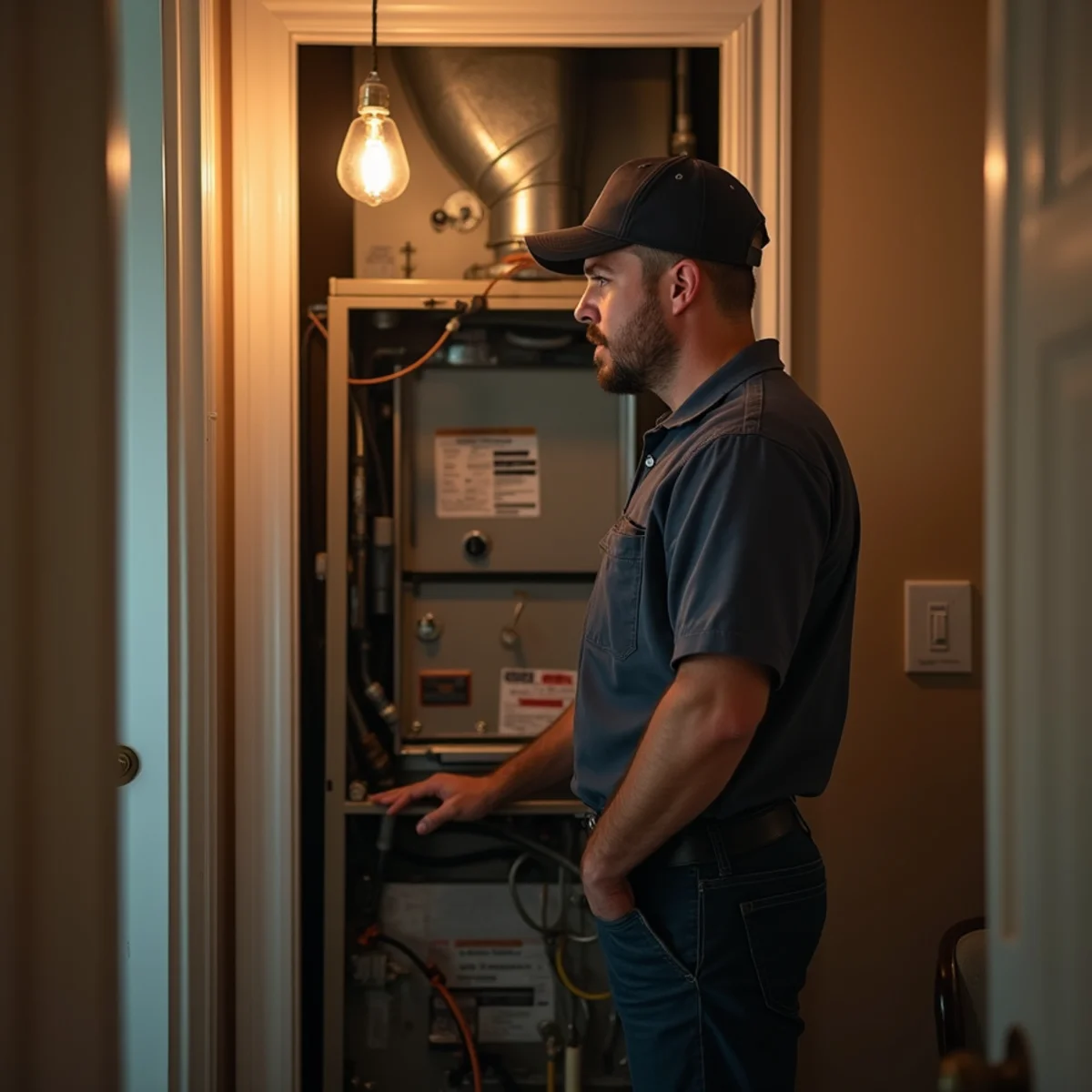
Furnace Noises: What’s Normal and What Isn’t
Most furnace noise is a mechanical problem that gets worse and more expensive if you wait, but three sounds deserve immediate action: a loud boom or bang when the burners light, metal-on-metal scraping while the blower runs, and a rumble that continues after the furnace has shut off. Turn the system off at the thermostat for those three and get it looked at. A booming ignition and a post-shutdown rumble can both point to combustion problems, which is the category where carbon monoxide lives.
Read more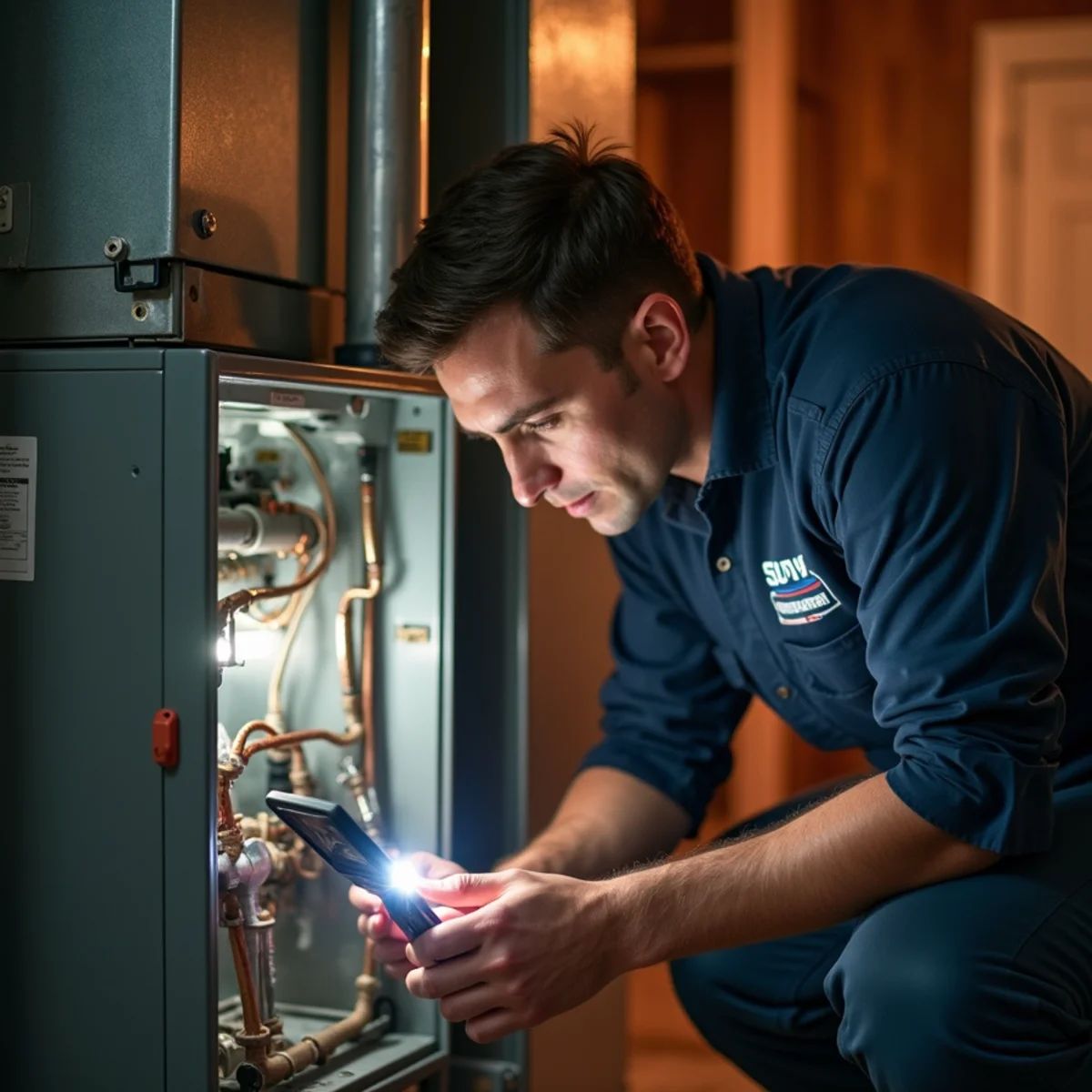
How Often Does a Heating System Actually Need Maintenance?
A gas furnace should be checked once a year, ideally in early fall before you need it. A heat pump is a different animal - it runs in both seasons, so it accumulates roughly twice the runtime and warrants a check twice a year, before heating season and before cooling season. Filters are separate from all of this and are on their own schedule, usually every one to three months depending on the filter and your household.
Read more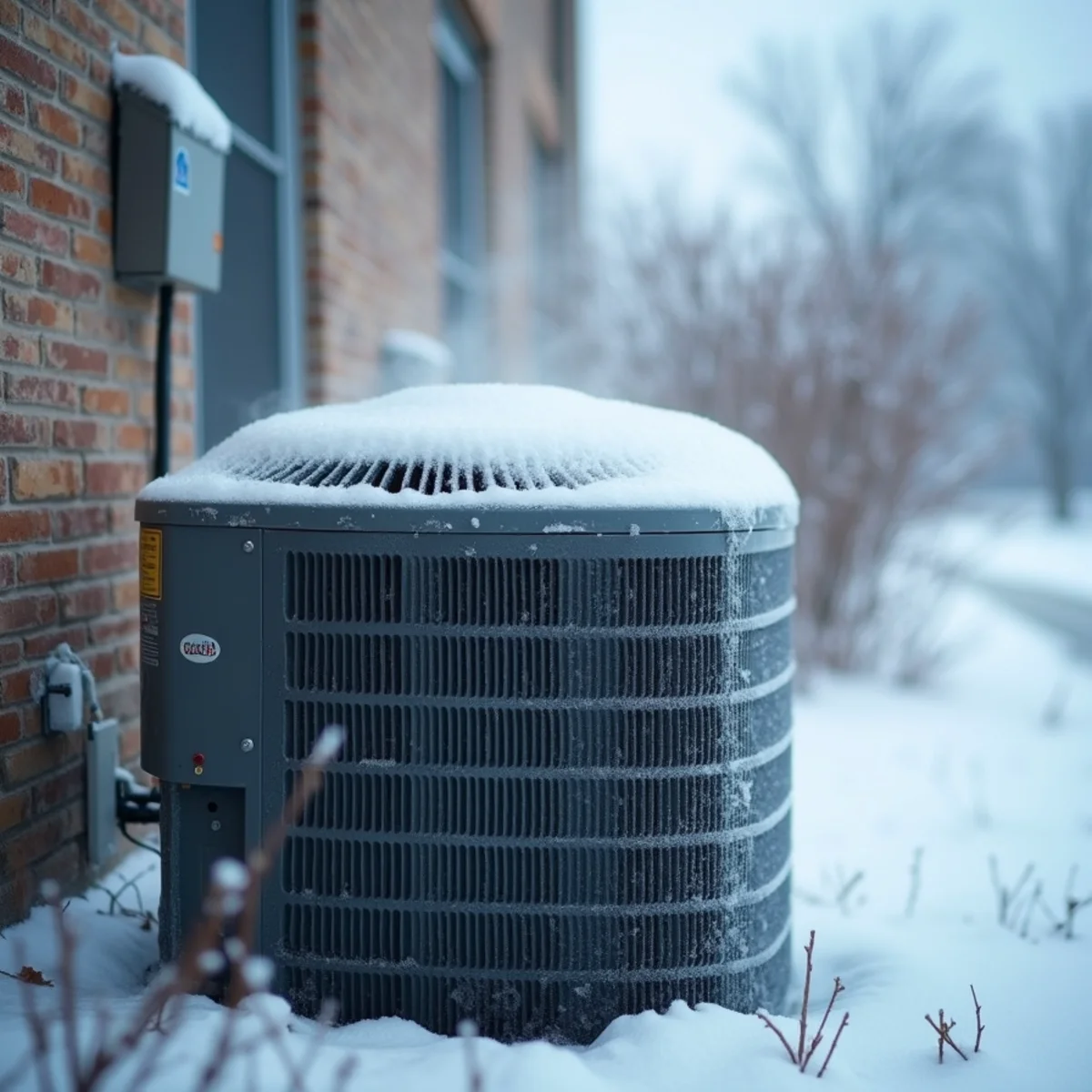
Why Your Heat Pump Steams and Shuts Off During an Oklahoma Ice Storm
If your heat pump is steaming, making a loud whoosh, and briefly blowing cooler air indoors during an ice storm, that's almost certainly the defrost cycle doing exactly what it was designed to do. The unit reverses itself for a few minutes to melt frost off the outdoor coil, then goes back to heating. What is not normal: a solid block of ice encasing the whole unit, ice that never clears through multiple cycles, or the unit sitting in standing water or under a dripping roofline.
Read more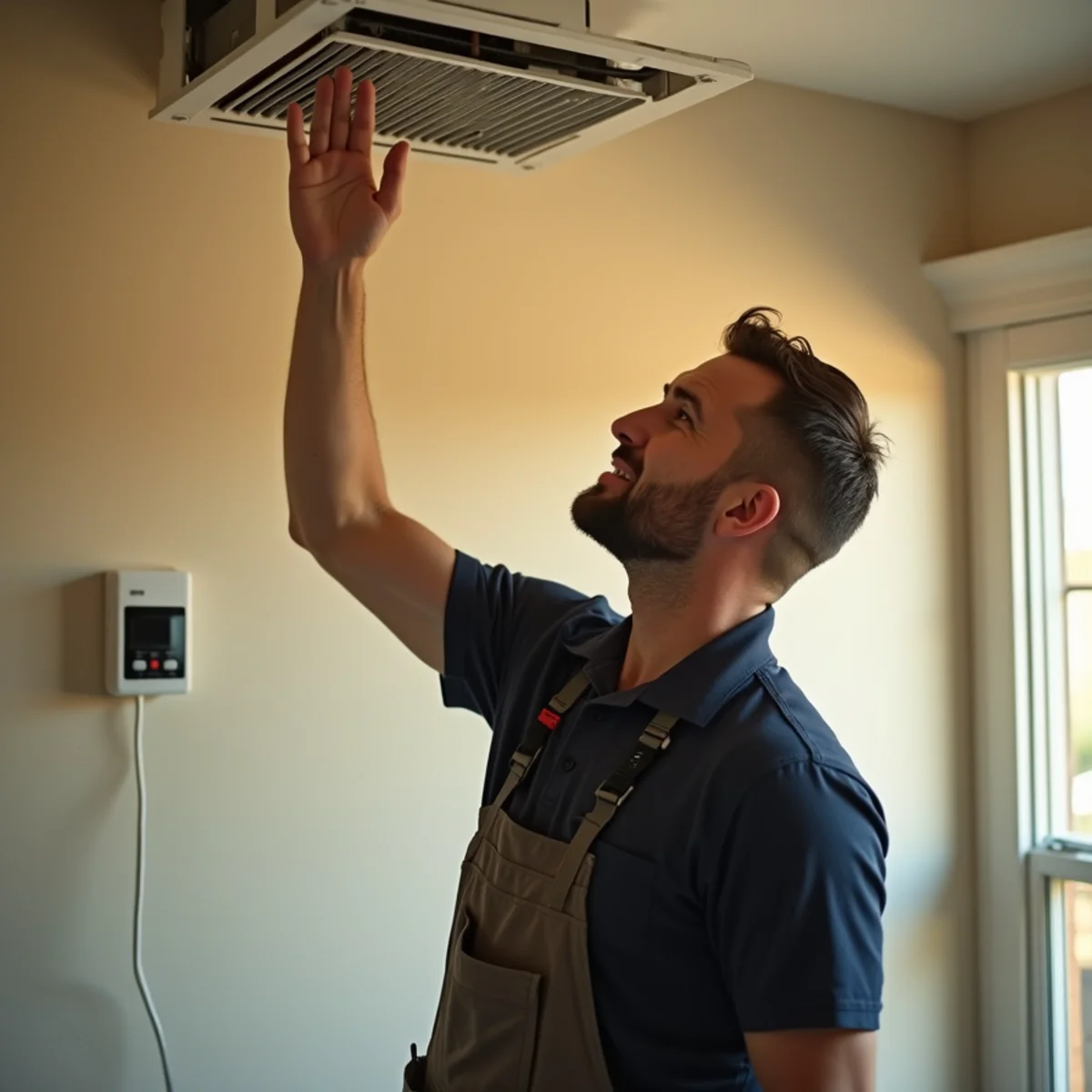
Home AC Running But Not Cooling? Central Air Troubleshooting for OKC Homes
If your home's central air conditioner is running but the house is not cooling, the most common causes are a dirty air filter choking airflow, a frozen evaporator coil, low refrigerant from a leak, a failed capacitor stopping the outdoor fan or compressor, or a blocked outdoor condenser unit. Start by checking the filter and making sure the outdoor unit is clear and the fan is spinning — those are the only two things a homeowner should touch. Everything else, especially refrigerant and electrical components, needs a licensed HVAC technician.
Read more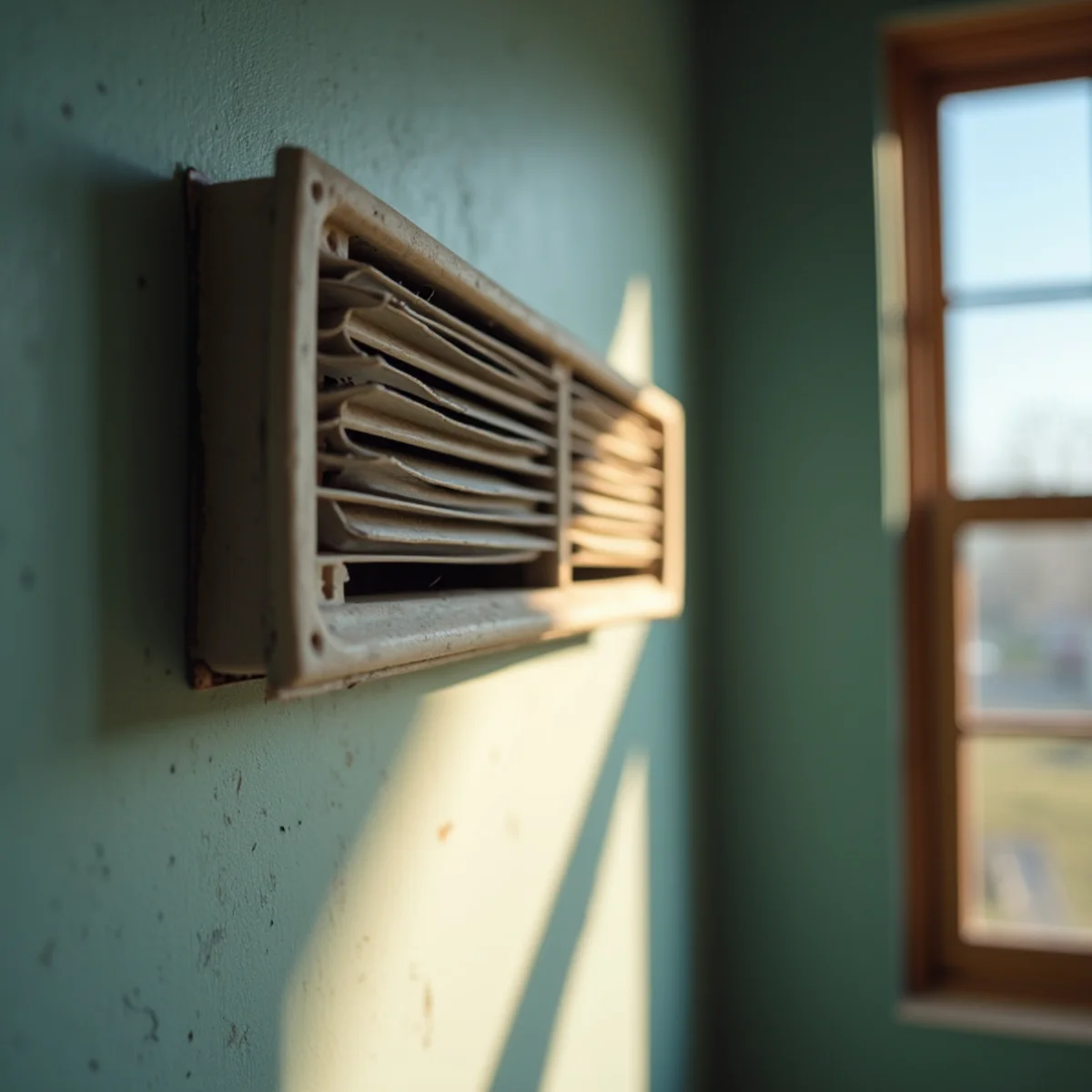
Weak Airflow From Your Vents: What's Restricting Your Home's Air
Weak airflow from your home's vents almost always comes down to a restriction or a leak somewhere between the blower and the register: a clogged filter, closed or blocked vents, a dirty blower wheel, a crushed or disconnected duct run, or an undersized return. If airflow is weak at every vent, suspect the filter, blower, or return side. If it's weak at only some vents, suspect the ductwork serving those rooms.
Read more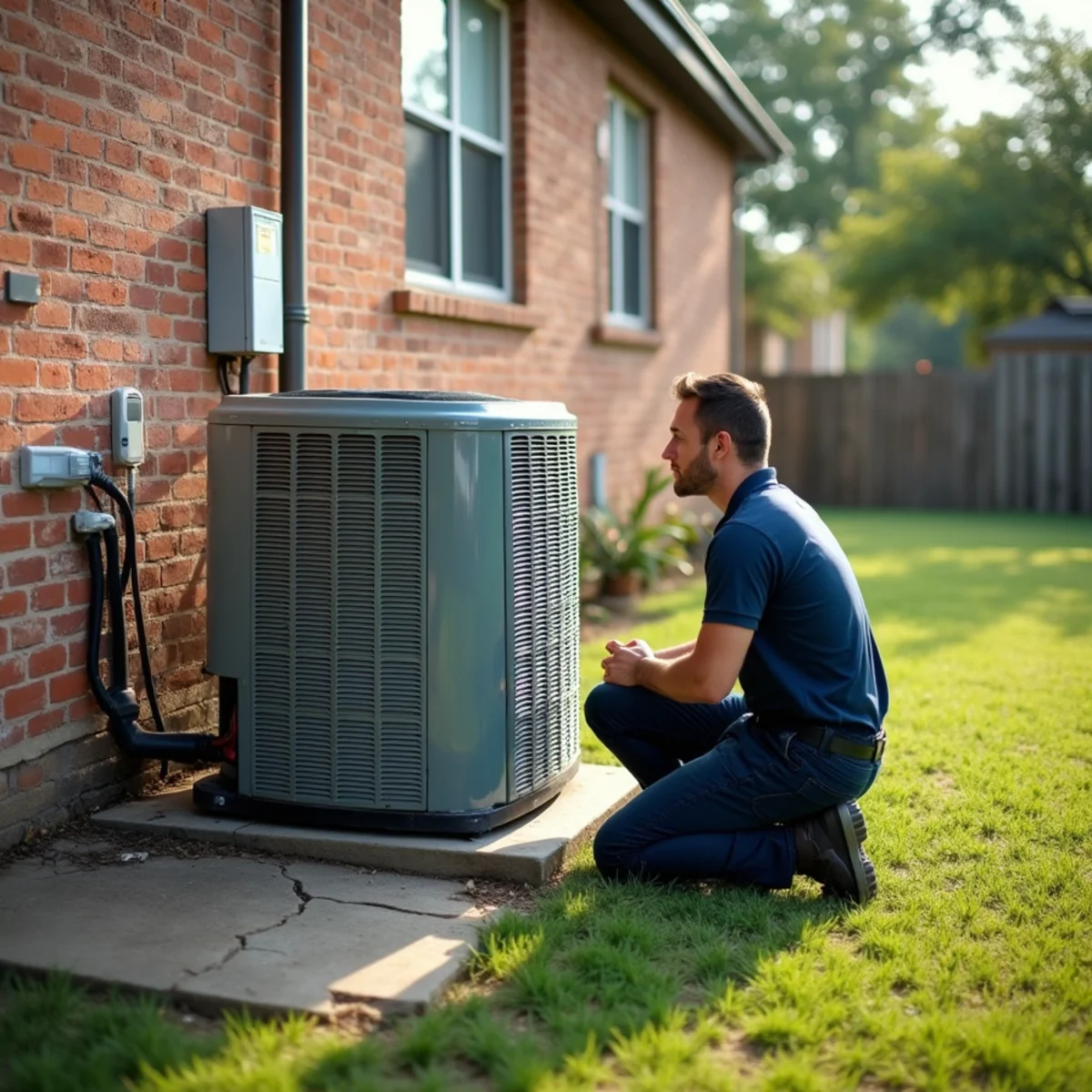
AC Repair or Replacement? How Oklahoma City Homeowners Decide
The decision usually comes down to four things: the age of the system, whether it uses R-22 refrigerant, how many repairs it has needed recently, and how the repair cost compares to the value of the remaining system life. A newer system with a single failed part is almost always worth repairing; a system past its expected service life that needs a compressor or coil, especially an R-22 system, is usually worth replacing instead.
Read more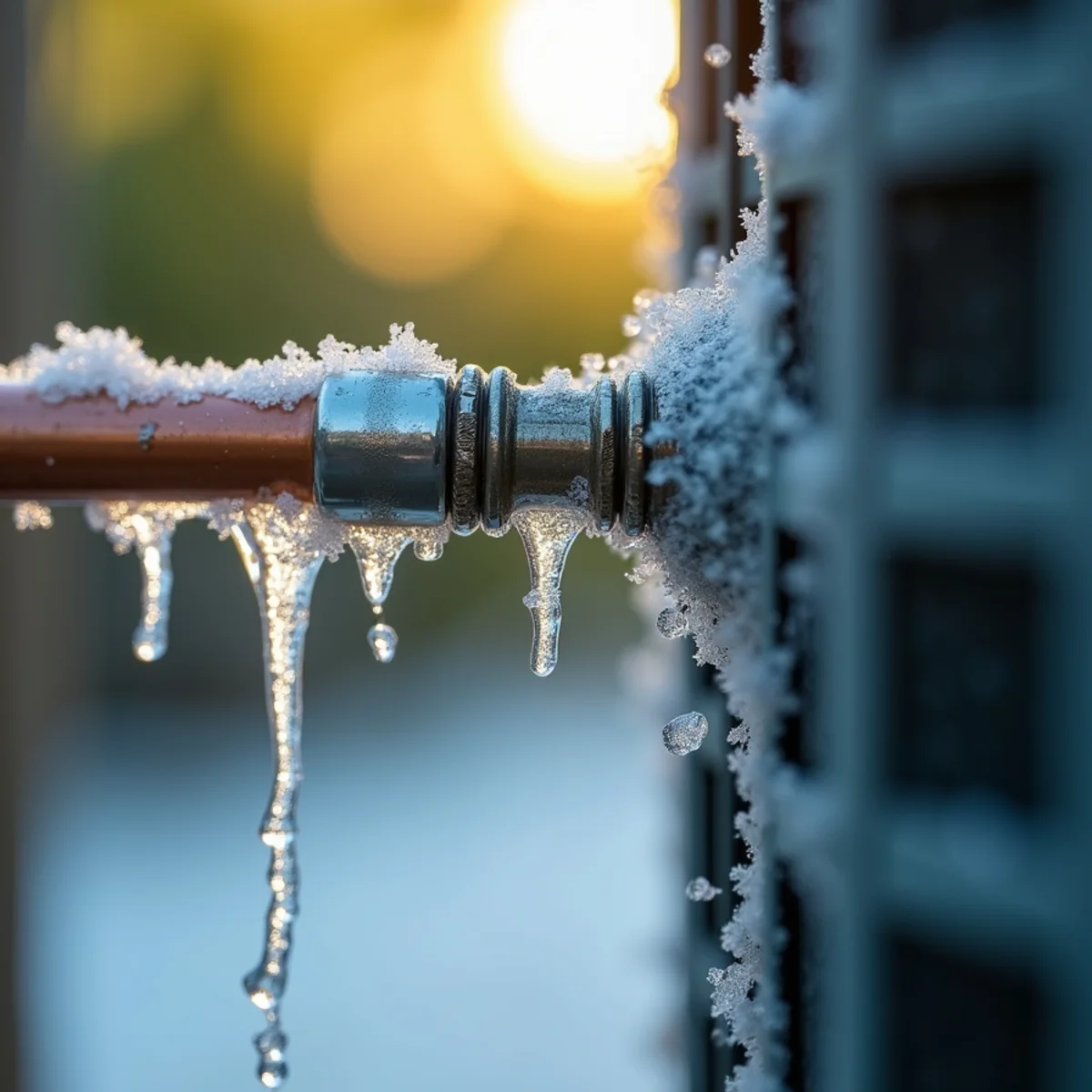
Why Your AC Is Freezing Up: Ice on the Coil and Refrigerant Line
Ice on your evaporator coil or refrigerant line means the coil is getting colder than it should — nearly always because of restricted airflow across the coil or low refrigerant from a leak. Turn the cooling off at the thermostat and switch the fan to ON to thaw the ice, then replace the air filter. Never chip or scrape ice off the coil, and never keep running the system while it's frozen: you can damage the compressor.
Read more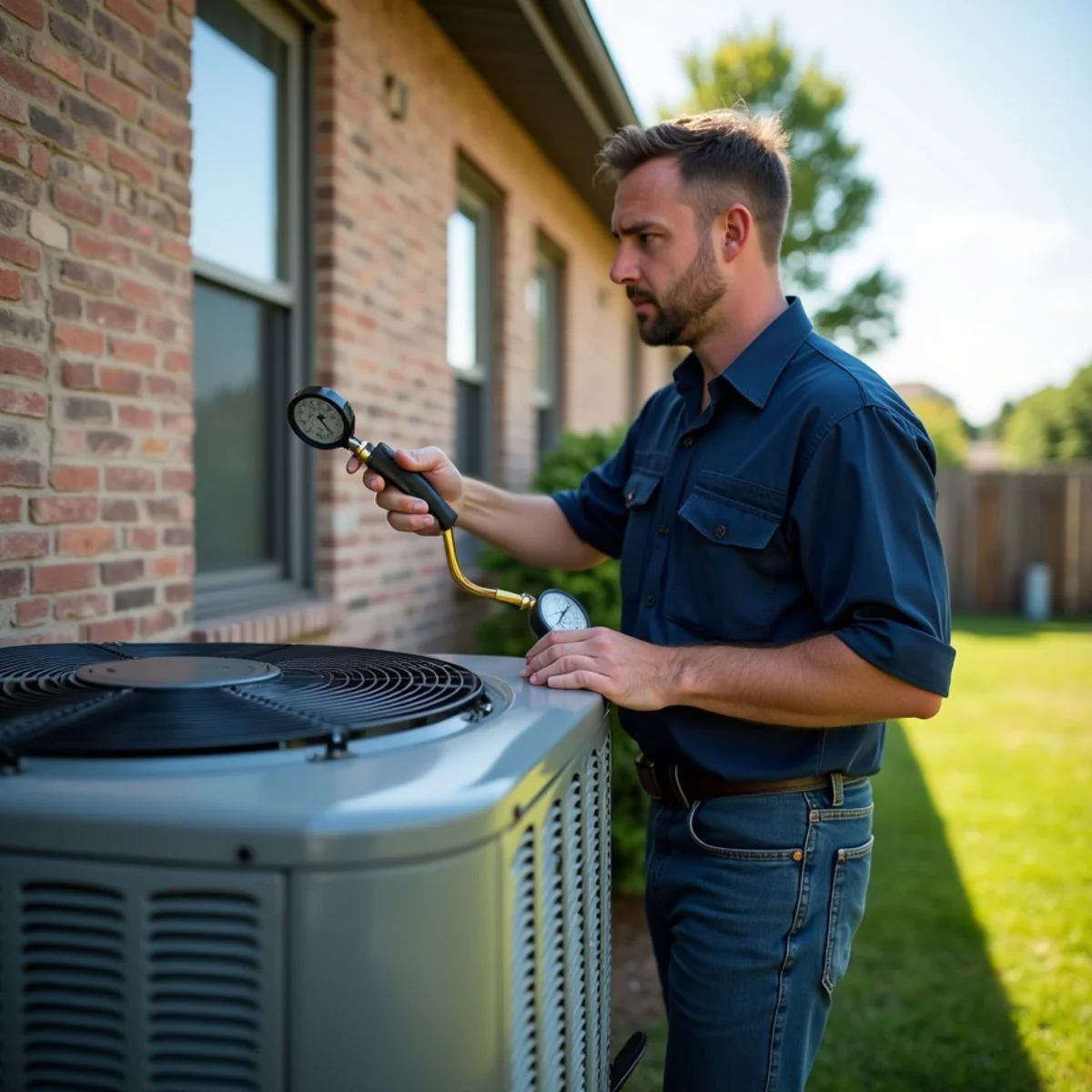
AC Short Cycling: Why Your System Turns On and Off Every Few Minutes
Short cycling is when your AC starts and stops in rapid cycles — often every few minutes — instead of running a full cooling cycle. The usual culprits are a dirty filter or frozen coil tripping a safety, a thermostat in a bad location or with a failing sensor, an electrical control fault, low refrigerant tripping the low-pressure switch, or an oversized system that satisfies the thermostat before it has properly run. It matters because compressor starts are the hardest thing the system does, and constant restarts shorten equipment life.
Read more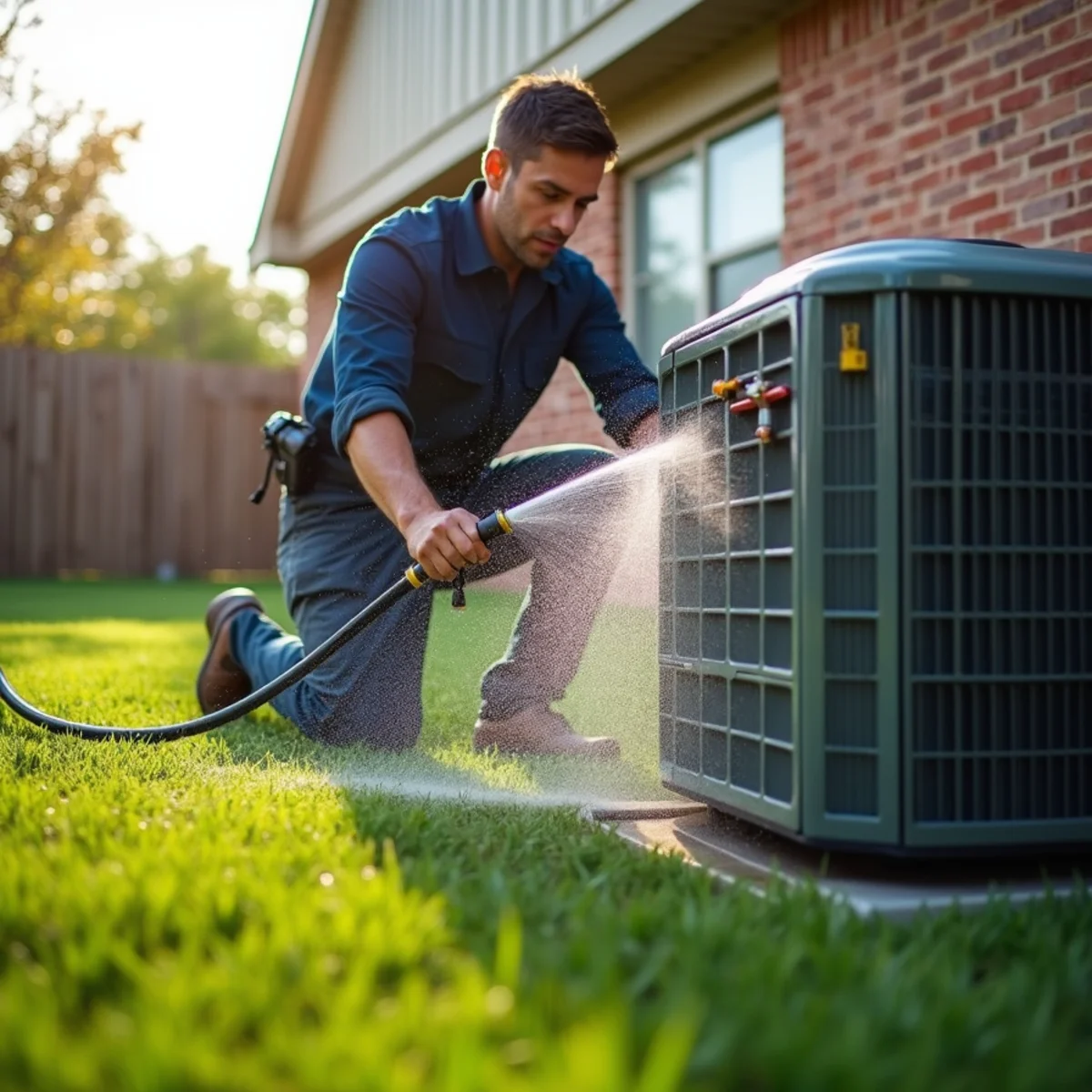
Getting Your AC Ready for an Oklahoma Summer: A Pre-Season Checklist
Before Oklahoma's heat sets in, do four things yourself: replace the air filter, clear at least two feet around the outdoor unit, check that the condensate drain line is flowing, and run the system on a mild day to confirm it cools before you actually need it. Leave the rest — refrigerant charge, electrical connections, capacitor testing, and coil cleaning — to a technician during a pre-season tune-up.
Read more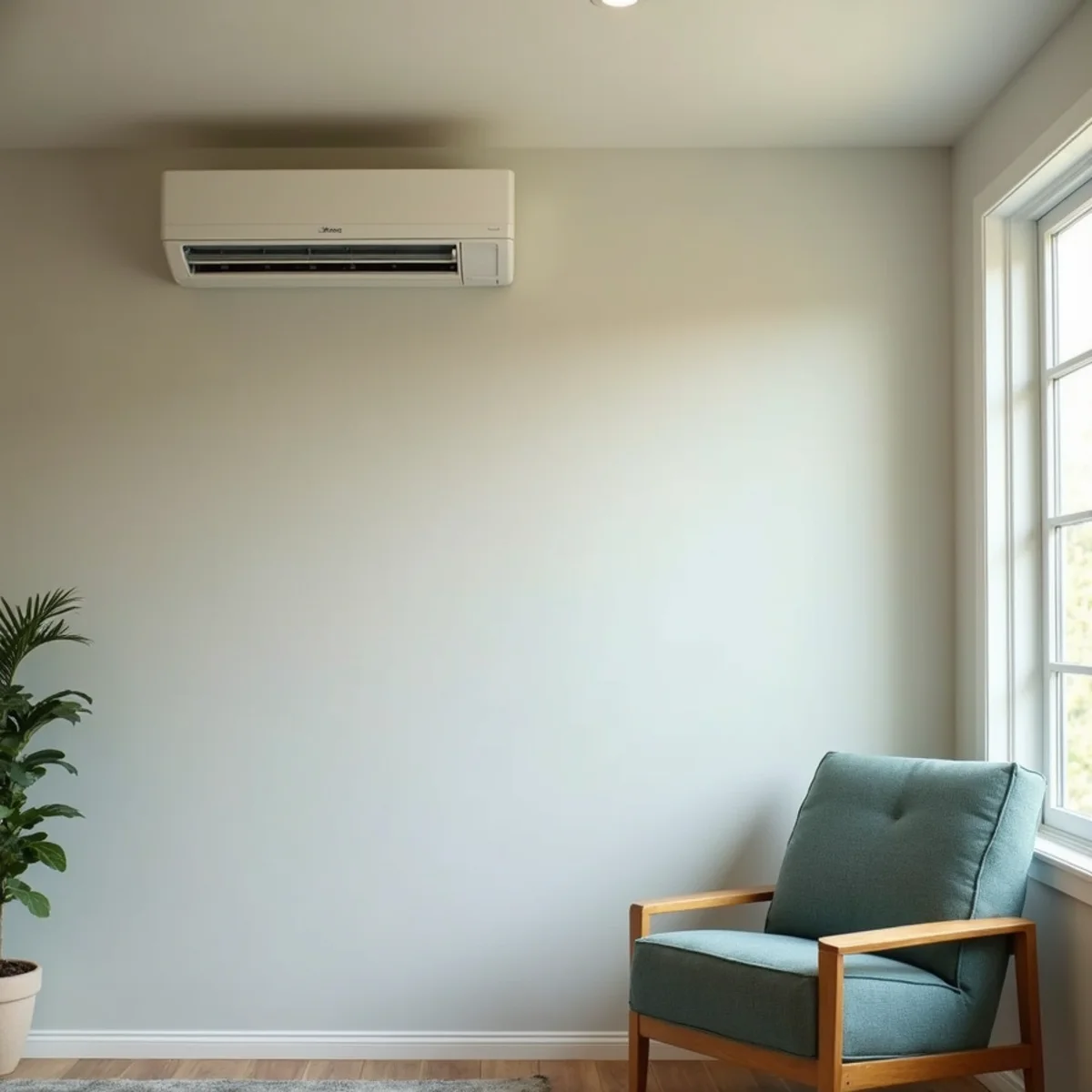
Central Air vs. Ductless Mini-Splits for Oklahoma City Homes
For a home that already has good ductwork, central air is usually the more practical choice for whole-house cooling in Oklahoma City. Ductless mini-splits make the most sense for additions, garages, bonus rooms, converted spaces, and homes with no ducts at all — or where one room is persistently uncomfortable and rebuilding ductwork isn't realistic. Many OKC homes end up with both: central air for the main house, a mini-split for the space the ducts never served well.
Read more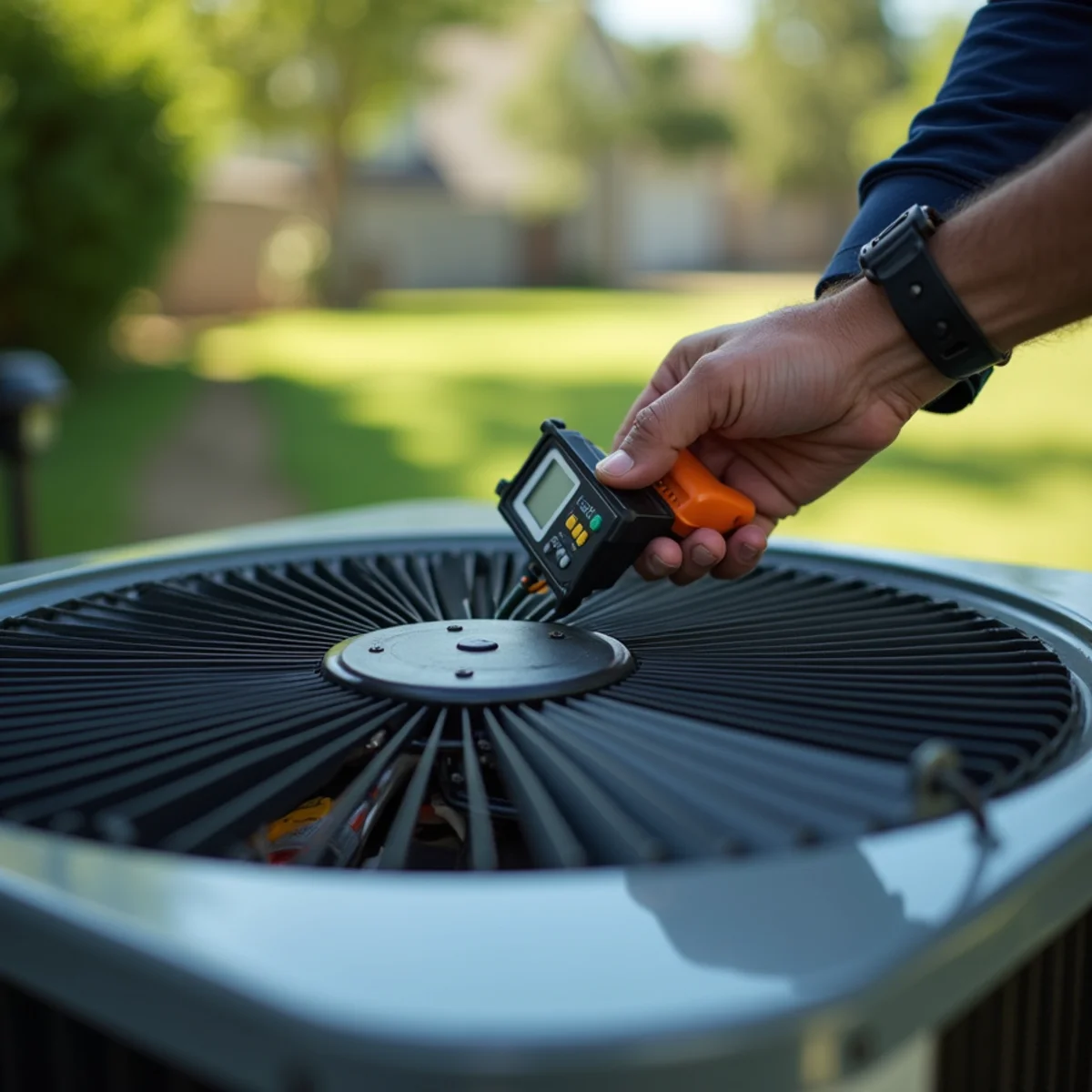
Signs of a Failing AC Compressor and What Your Options Are
The common signs of a failing AC compressor are the outdoor unit humming or straining without starting, the breaker tripping when the system kicks on, loud grinding or rattling from the condenser, warm air at the vents while the outdoor fan runs, and the system running constantly without cooling. A compressor is the most expensive component in a central AC system, so before assuming the worst, have a technician rule out the cheaper look-alikes — a failed capacitor, a bad contactor, or a wiring fault produce nearly identical symptoms.
Read more
AC Leaking Water Inside the House: Causes and What to Do First
Water leaking from your indoor AC unit is almost always condensate that isn't draining — most often a clogged condensate drain line, a cracked or overflowing drain pan, a disconnected drain, or a frozen evaporator coil that thawed all at once. Turn the cooling off at the thermostat first to stop more water from being produced, then mop up and look for the source. If your air handler is in the attic and you see a ceiling stain, shut the system off and call a technician before the drywall gives.
Read more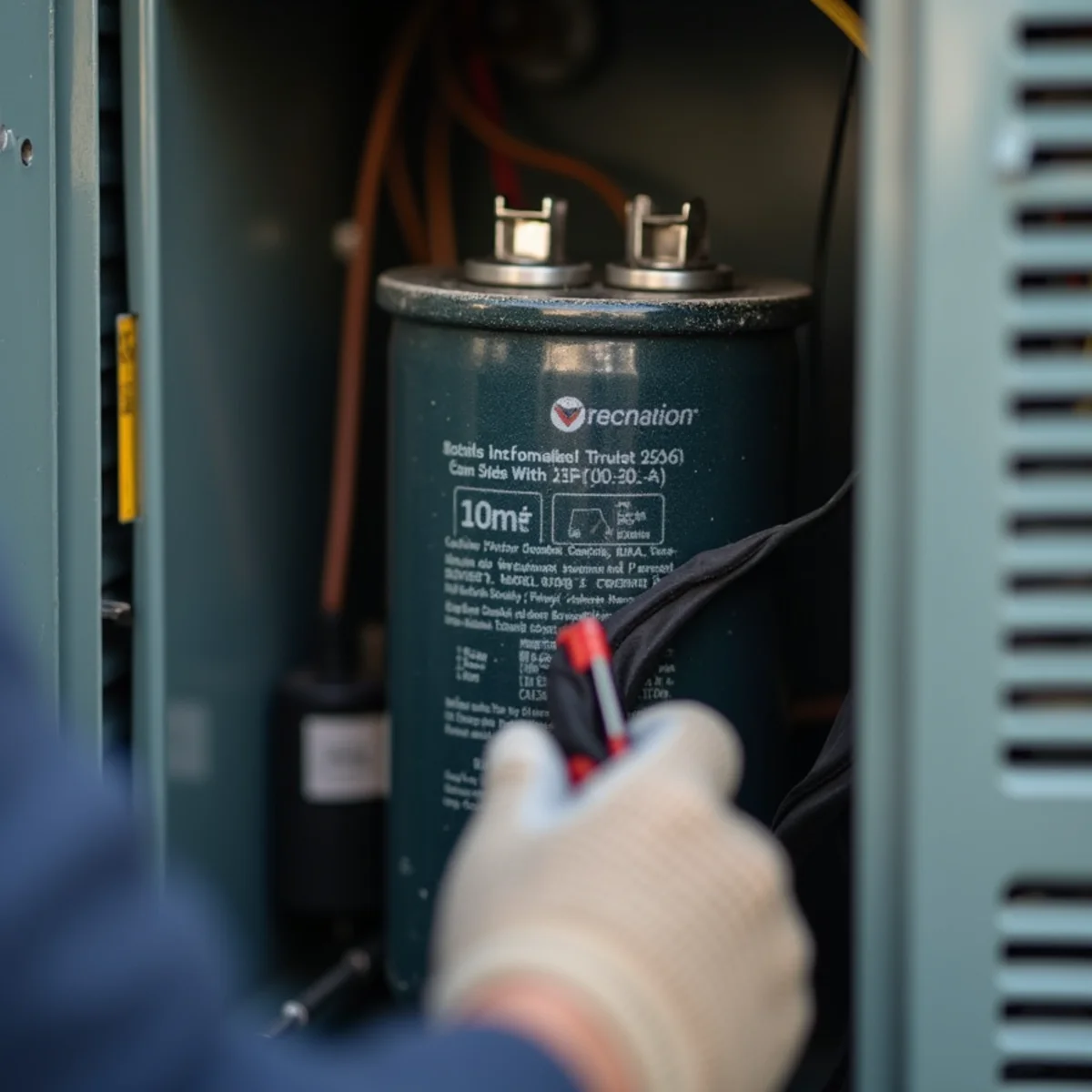
Bad AC Capacitor Symptoms: Why the Outdoor Unit Hums But Won't Start
The classic sign of a failed AC capacitor is the outdoor unit humming or clicking while the fan sits still, or the system blowing warm air with the compressor refusing to start. You may also notice hard starting, frequent breaker trips, or a bulged or leaking capacitor top. Capacitors store a dangerous electrical charge even after the power is off — this is not a DIY replacement, no matter what a video suggests. Shut the system off at the thermostat and breaker and call a technician.
Read more
An Oklahoma City HVAC Calendar: What to Do Each Season
In Oklahoma City, schedule cooling maintenance in March or April before the first 90-degree stretch, and heating maintenance in September or October before the first hard freeze. Change filters every one to three months year-round, and add two seasonal habits: clear the outdoor unit in spring, and test the furnace on a mild fall day rather than during the first cold snap. The month-by-month calendar below is built around OKC's actual weather pattern, not a generic national one.
Read more
Why Oklahoma City's Temperature Swings Are Hard on Your HVAC System
Oklahoma City's day-to-day temperature swings force your system to change modes constantly - heating overnight, cooling by afternoon - and that repeated starting and stopping is where the wear comes from. It shows up in compressors and contactors that see extra start cycles, ignitors and heat exchangers that go through repeated thermal expansion, and duct joints that work loose over years of movement. It doesn't mean something is wrong with your equipment; it means the shoulder seasons here ask more of it than a milder climate would.
Read more
What Oklahoma City Summer Heat Does to an Undersized Home AC
When a central air conditioning system is undersized for Oklahoma City heat, it runs nearly nonstop on 100-degree afternoons and still can't bring the house down to the thermostat setting - typically losing ground between about 3 p.m. and 7 p.m., then catching up overnight. Long runtime means more electricity used and more continuous hours on the compressor. Undersizing isn't a breakdown, which is exactly why it often goes undiagnosed for years and gets blamed on the equipment brand instead.
Read more
How to Size an HVAC System for an Oklahoma Home
Sizing an HVAC system for an Oklahoma home requires a Manual J load calculation - a room-by-room measurement of how much heat your specific house gains and loses, based on insulation, window performance, orientation, air leakage, and where the ducts run. Square-footage rules of thumb ignore the things that actually drive load here: west-facing glass, ductwork in a vented attic that hits well over 120 degrees in July, and Oklahoma City's design temperatures. The correct size is whatever the load calculation points to, and it is frequently smaller than homeowners expect.
Read more
What to Check on Your HVAC System After an Oklahoma Storm
After an Oklahoma storm, stay away from your equipment until you have ruled out downed power lines, a gas smell, and standing water around the outdoor unit - those are 911 or gas-utility calls made from a safe distance, not HVAC calls. Once you have confirmed it is safe, you can visually inspect the outdoor unit for hail damage and debris, check whether the breaker or disconnect has tripped, and photograph any damage for your insurer before anything is repaired. Do not run a system that was submerged, took a lightning strike, or has visibly damaged wiring.
Read more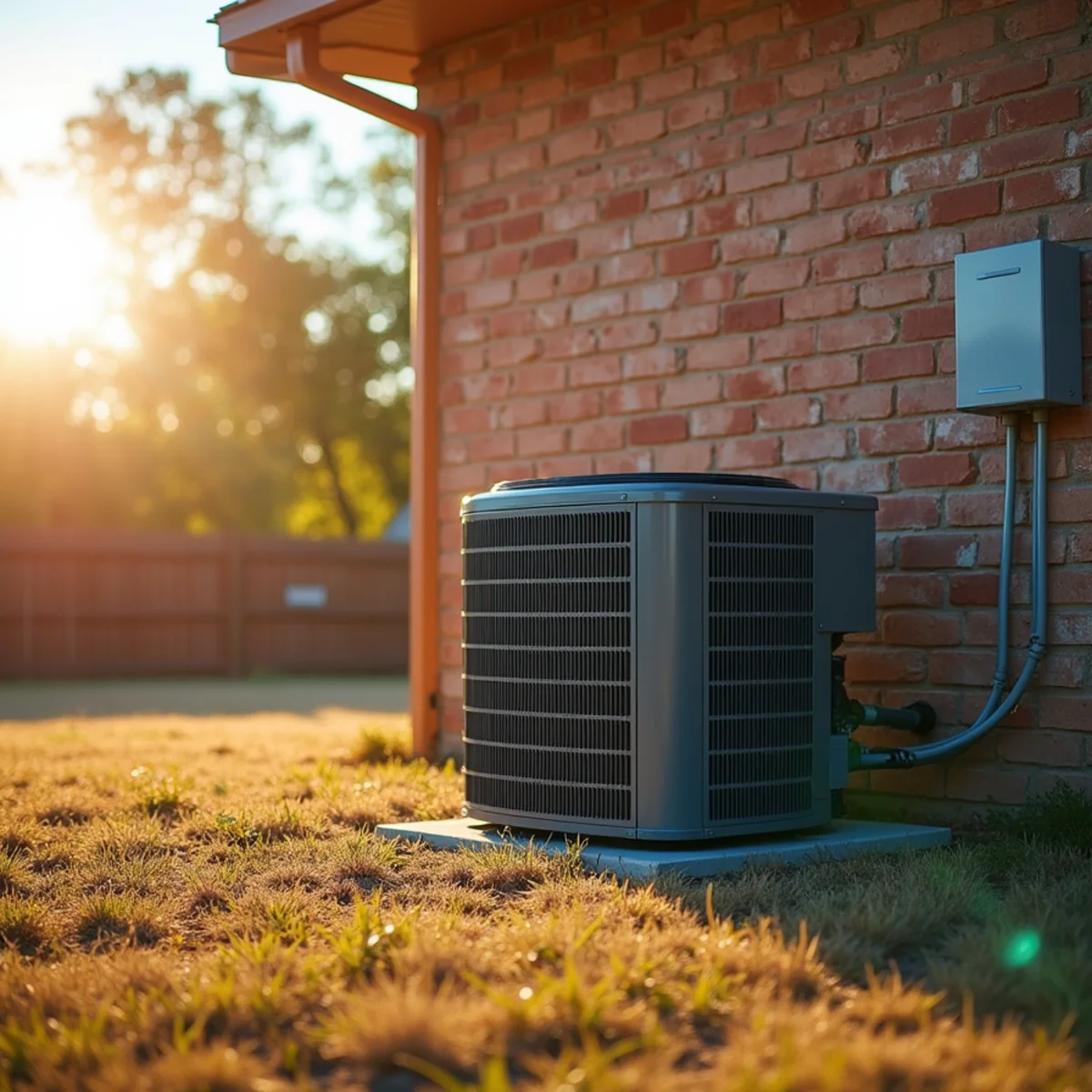
Why Your Oklahoma City Electric Bill Jumps in Summer
A summer electric bill jump in Oklahoma City is almost always runtime: your air conditioner ran more hours because it was hotter, and cooling is typically the largest single share of a home's summer electricity use. The fastest way to separate normal from a real problem is to compare kilowatt-hours - not dollars - against the same billing period last year, and against cooling degree days for those weeks. If the weather explains the increase, your system is behaving; if your kWh climbed faster than the heat did, something in the system, the ductwork, or your thermostat habits has changed.
Read moreNeed Heating or Air Conditioning Help in Oklahoma City?
Tell Serrato Heat and Air what your system is doing, what type of property you have, and the best way to reach you.