
Blog Category
Maintenance Articles
Maintenance articles for Oklahoma City homeowners and businesses.
Maintenance articles
HVAC Maintenance Checklist for Oklahoma City Homeowners: Spring and Fall
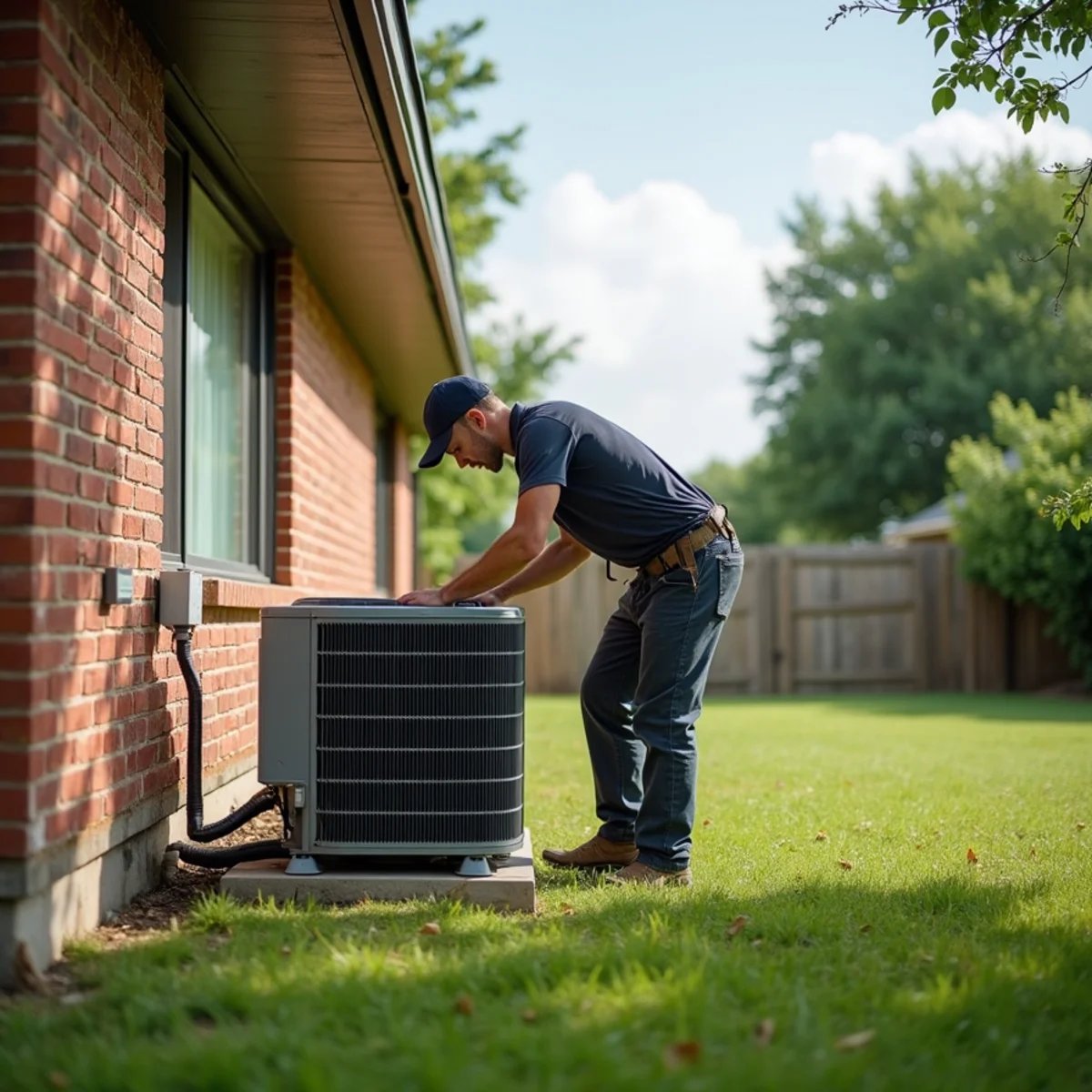
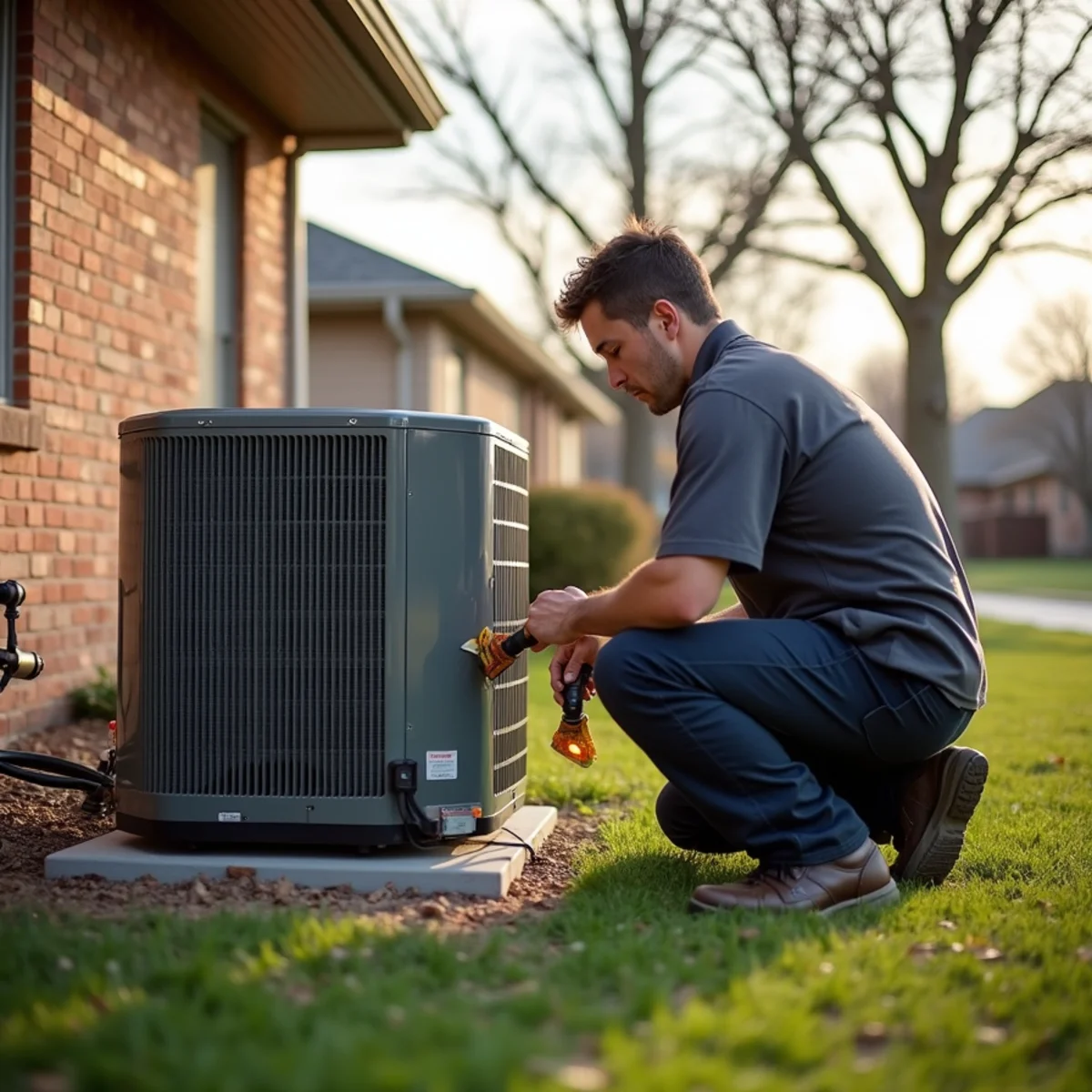
In Oklahoma City, your central air conditioner should be serviced in early spring before the first stretch of 90-degree days, and your furnace in early fall before the first hard freeze. Homeowners can handle filter changes, clearing debris from around the outdoor unit, and keeping supply vents unblocked. Anything involving refrigerant, gas lines, or electrical components belongs to a technician.
Read more
How Often Should You Change Your Air Filter in Oklahoma?
Most Oklahoma City homes need a new 1-inch filter every 30 days during spring and summer, not the 90 days printed on the box. Red dust from open ground and heavy cedar pollen load filters here far faster than in the milder regions those national intervals were written for. In fall and winter, when the system runs less and the air carries less dust, 60 to 90 days is usually reasonable.
Read more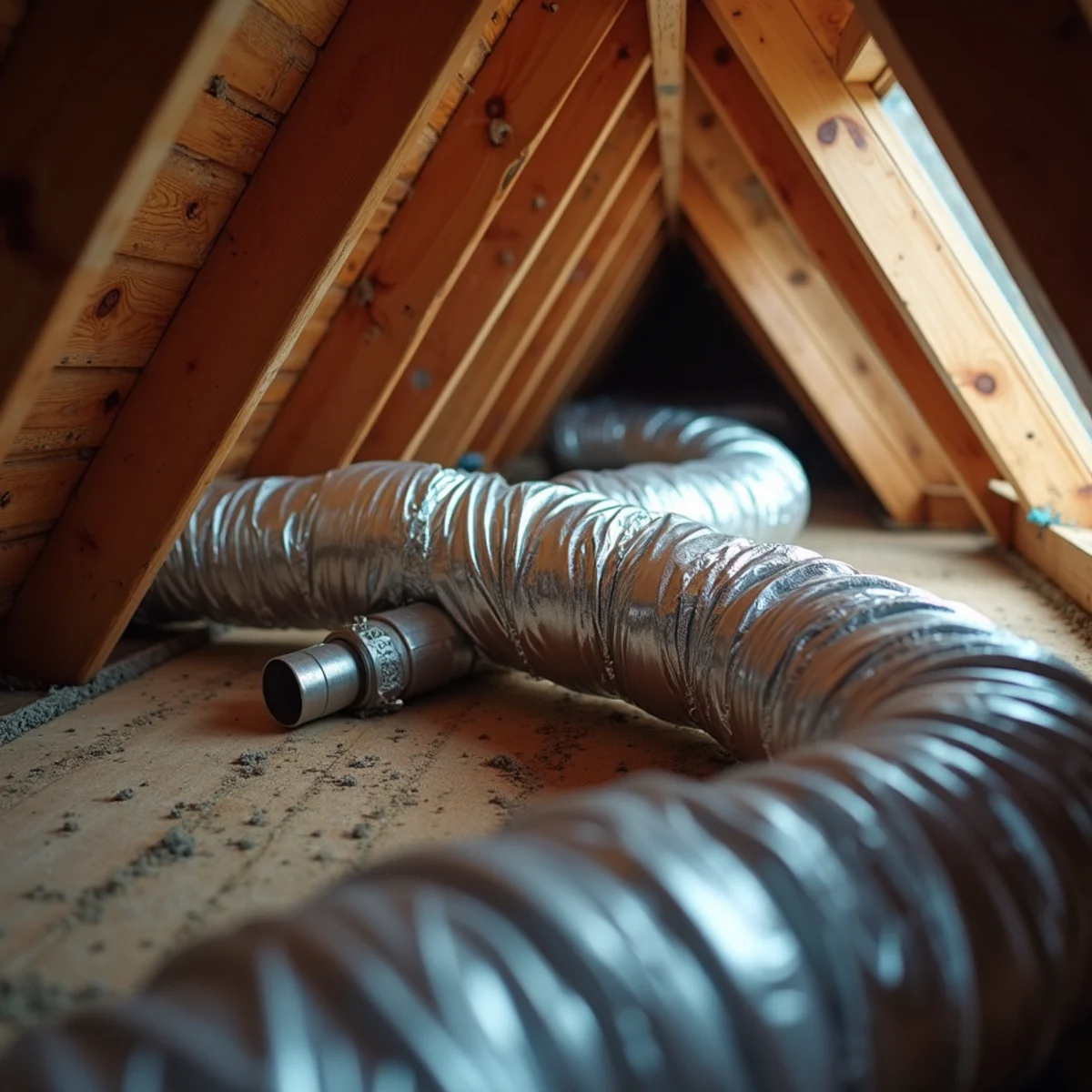
Are Duct Leaks Driving Up Your Energy Bill?
If your ducts leak, the air you paid to cool or heat is escaping into your attic, crawlspace, or wall cavities before it ever reaches a room. The usual signs are rooms that never reach the thermostat setting, a system that runs constantly, dusty registers, and a bill that climbed without a change in habits. Duct leakage is measurable — a technician can test it rather than guess.
Read more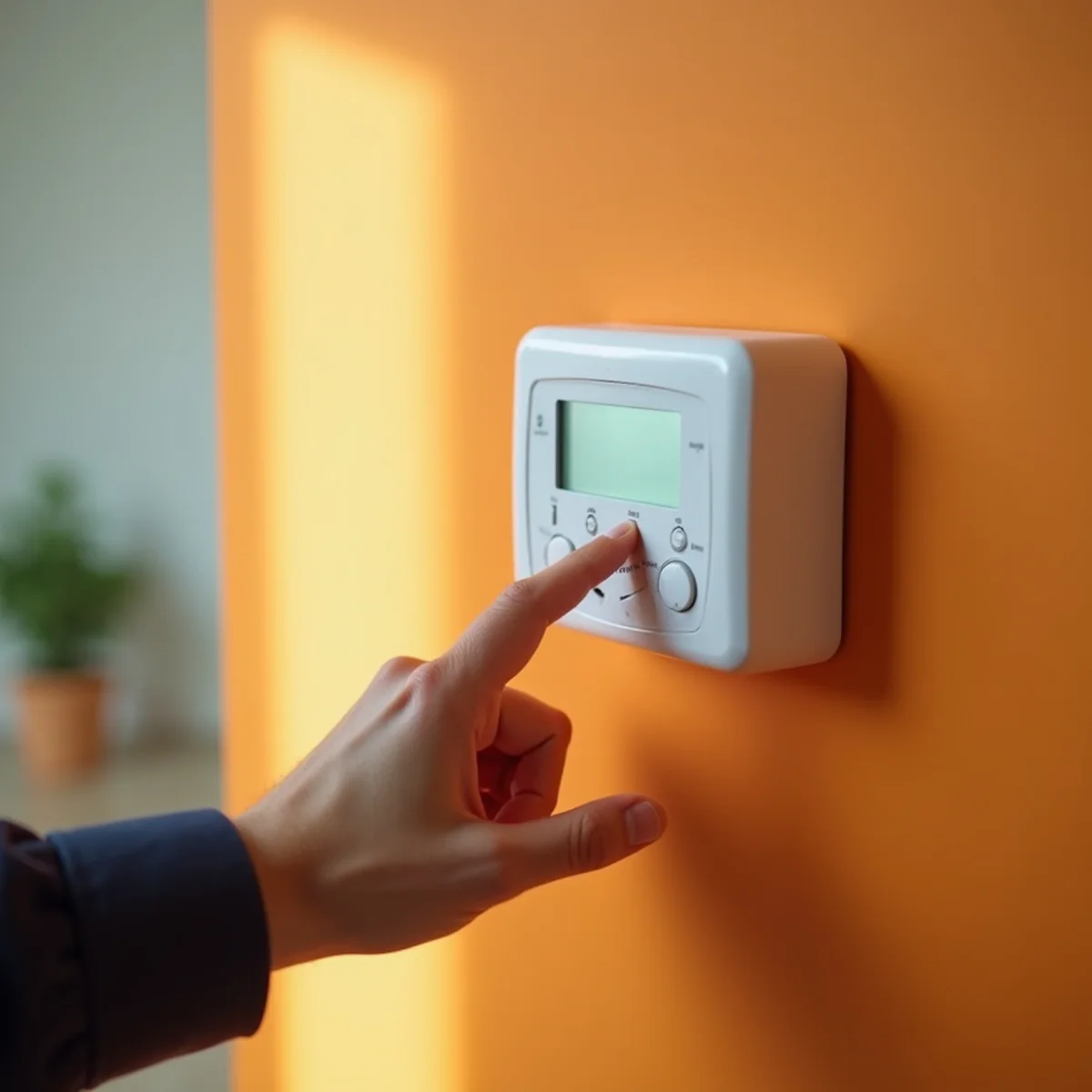
Thermostat Settings That Balance Comfort and Cost in Oklahoma Summers
The Department of Energy recommends 78 degrees when you are home in summer and 68 degrees when you are home and awake in winter, with a setback of several degrees while you are asleep or away. Those are real starting points, not rules — in an Oklahoma July, an aggressive daytime setback can leave your system running for hours to catch up in the evening. The setting that works is the one your system can actually hold without running continuously.
Read more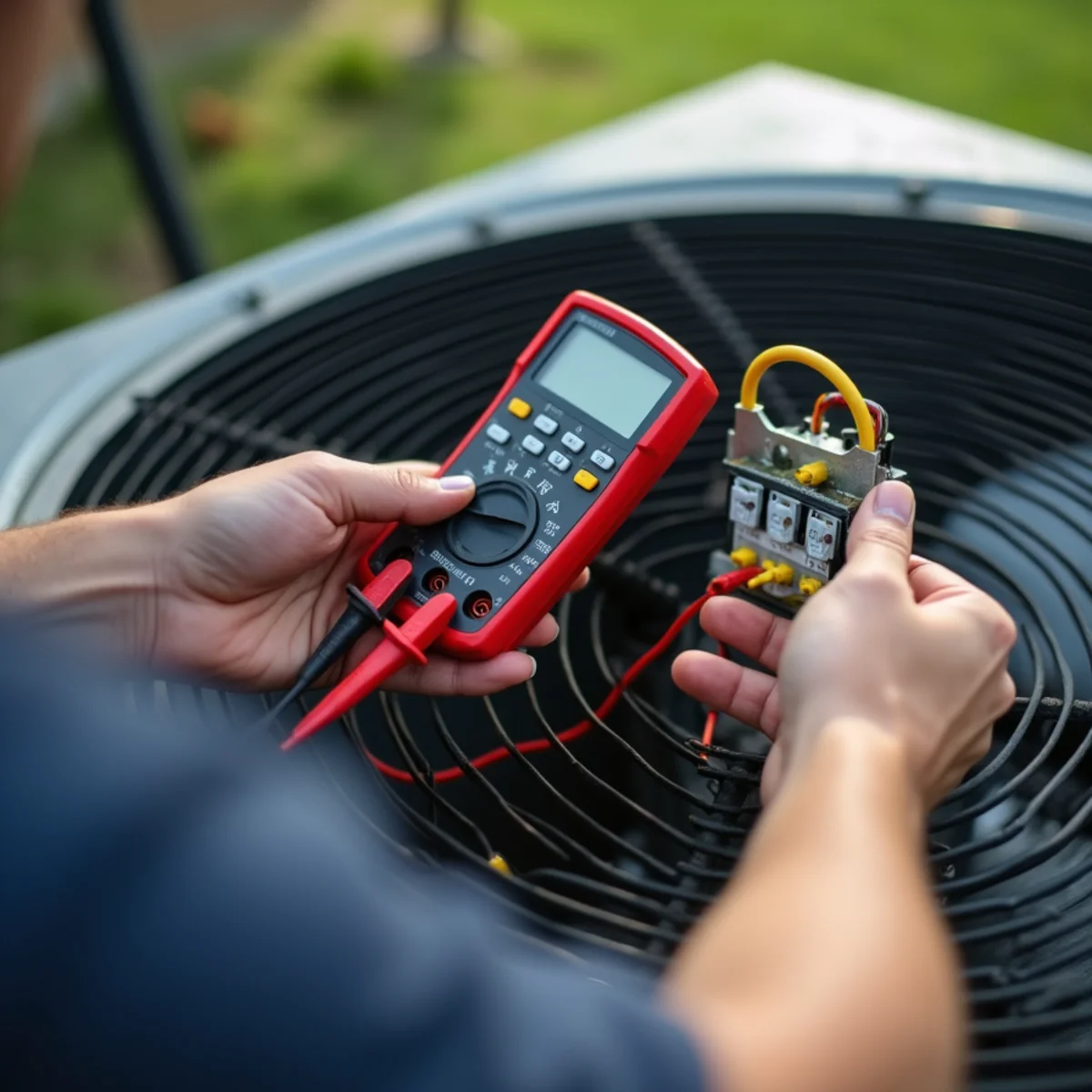
What Does an HVAC Tune-Up Actually Include?
A tune-up is an inspection and service visit where a technician measures how your system is actually performing rather than just looking at it. On a cooling visit that means checking refrigerant charge, testing electrical components and capacitors, cleaning the condenser coil, clearing the condensate drain, and measuring temperature split across the coil. On a heating visit it means inspecting the heat exchanger, testing the ignition and flame sensor, checking gas pressure and combustion, and verifying safety controls shut the system down when they should.
Read more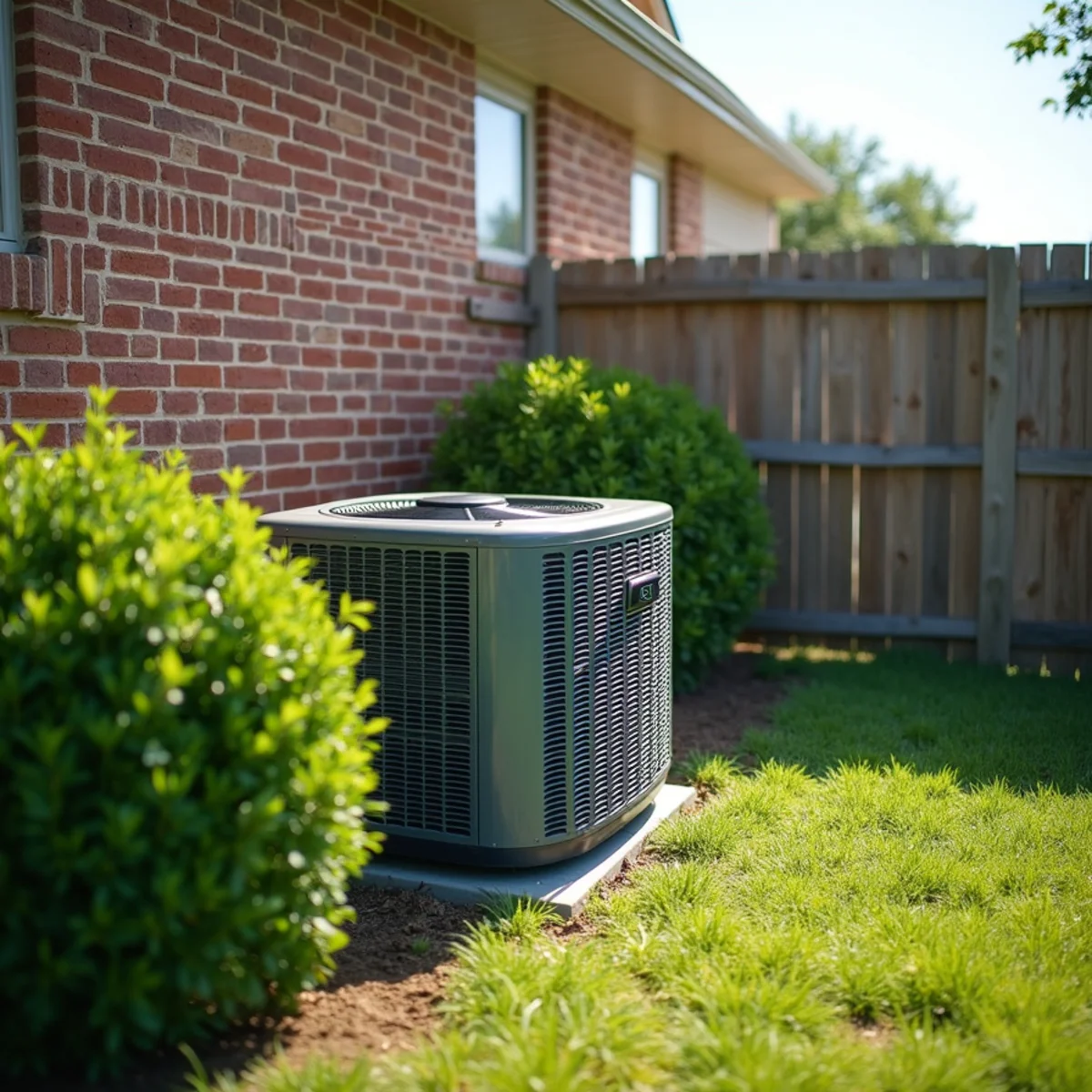
How Much Clearance Does an Outdoor AC Unit Need?
As a general rule, keep at least two to three feet of clear space on all sides of your outdoor unit and five feet of open space above it, unless your equipment's manual specifies otherwise — always follow the manual first. The condenser works by pulling air across its coil and pushing heat out the top, so anything blocking that path forces the system to work harder against its own exhaust. Shrubs, fences, stacked firewood, and lattice screens are the usual culprits.
Read more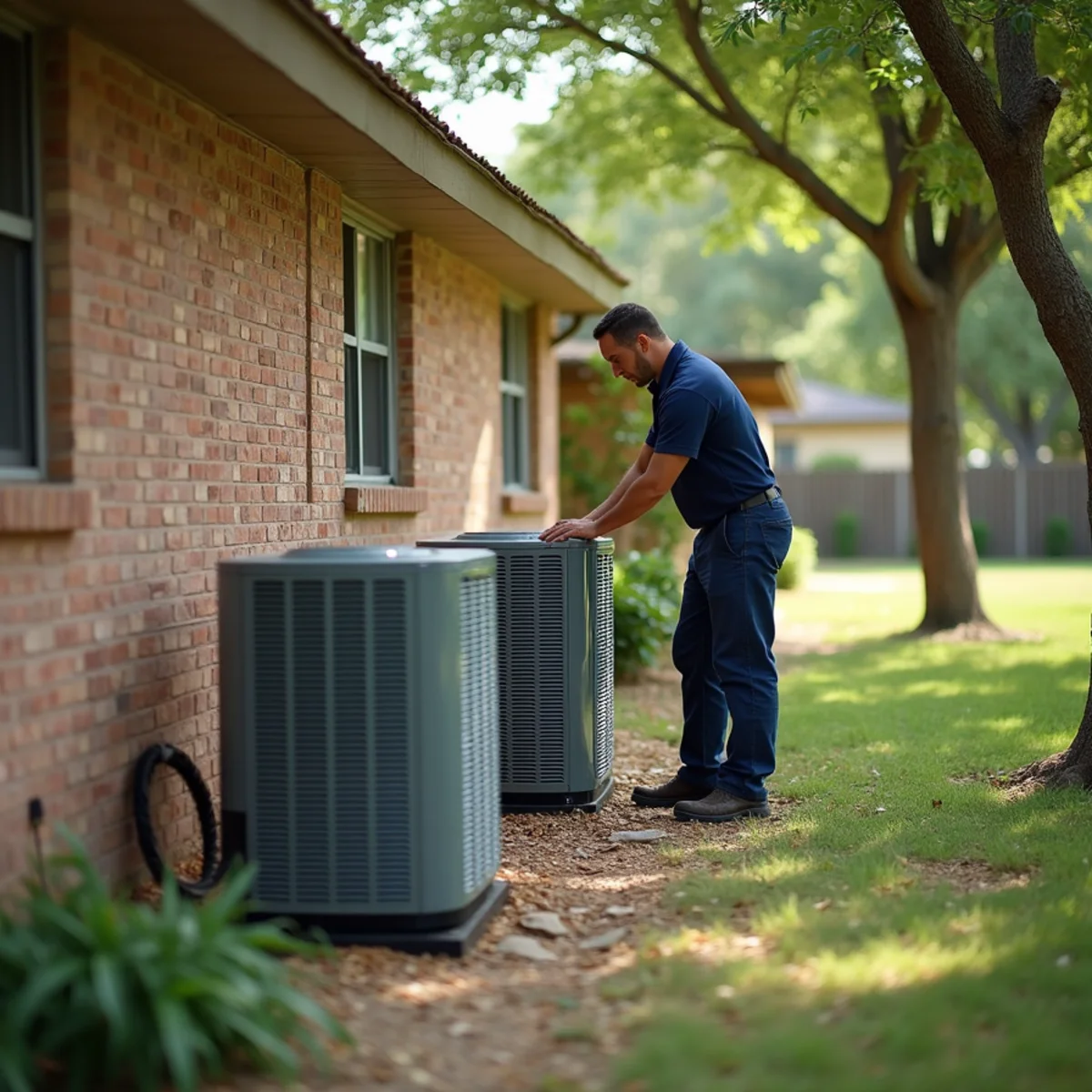
Preventive HVAC Maintenance for Oklahoma City Rental Properties
For rental properties, the goal of HVAC maintenance is not efficiency — it is avoiding the failure that happens at 6 p.m. on the hottest day of July with a tenant on the phone. Two scheduled service visits a year, a filter plan the tenant can actually follow, and a standard check at every turnover will catch most of what would otherwise become an after-hours call. Between-tenant vacancies are the cheapest time to do all of it.
Read more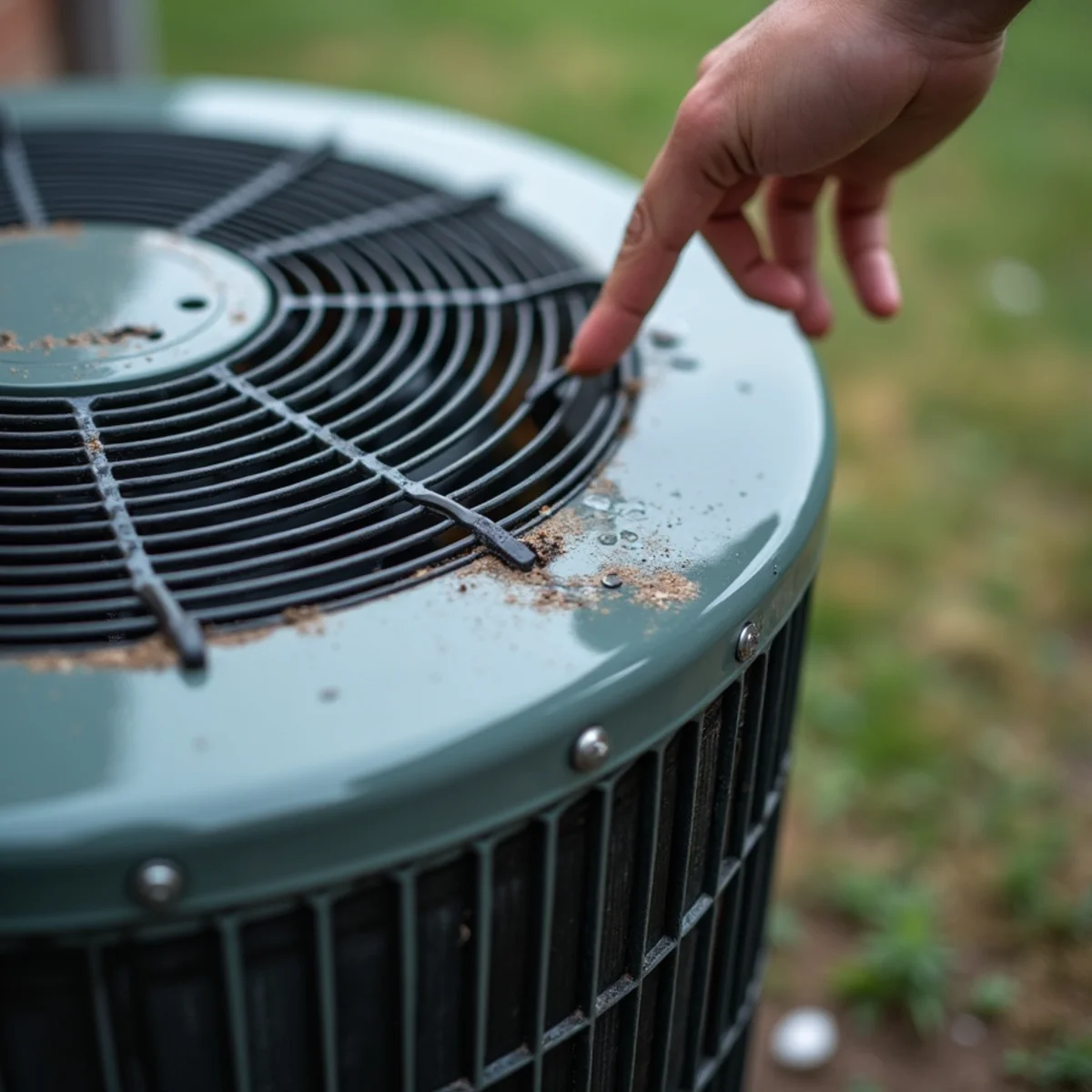
After the Hail: How to Inspect Your AC Condenser and Document the Damage
After a hail storm, look at your outdoor unit for flattened or dented coil fins, dents in the cabinet and top grille, a bent or damaged fan blade, and any debris driven into the coil. Fin damage is the most common and the most misjudged — a coil can look cosmetic and still be restricting airflow enough to hurt cooling and raise head pressure. Photograph everything before anyone touches it, because hail damage to an outdoor unit is frequently covered under a homeowner's policy and your documentation is what supports the claim.
Read moreNeed Heating or Air Conditioning Help in Oklahoma City?
Tell Serrato Heat and Air what your system is doing, what type of property you have, and the best way to reach you.