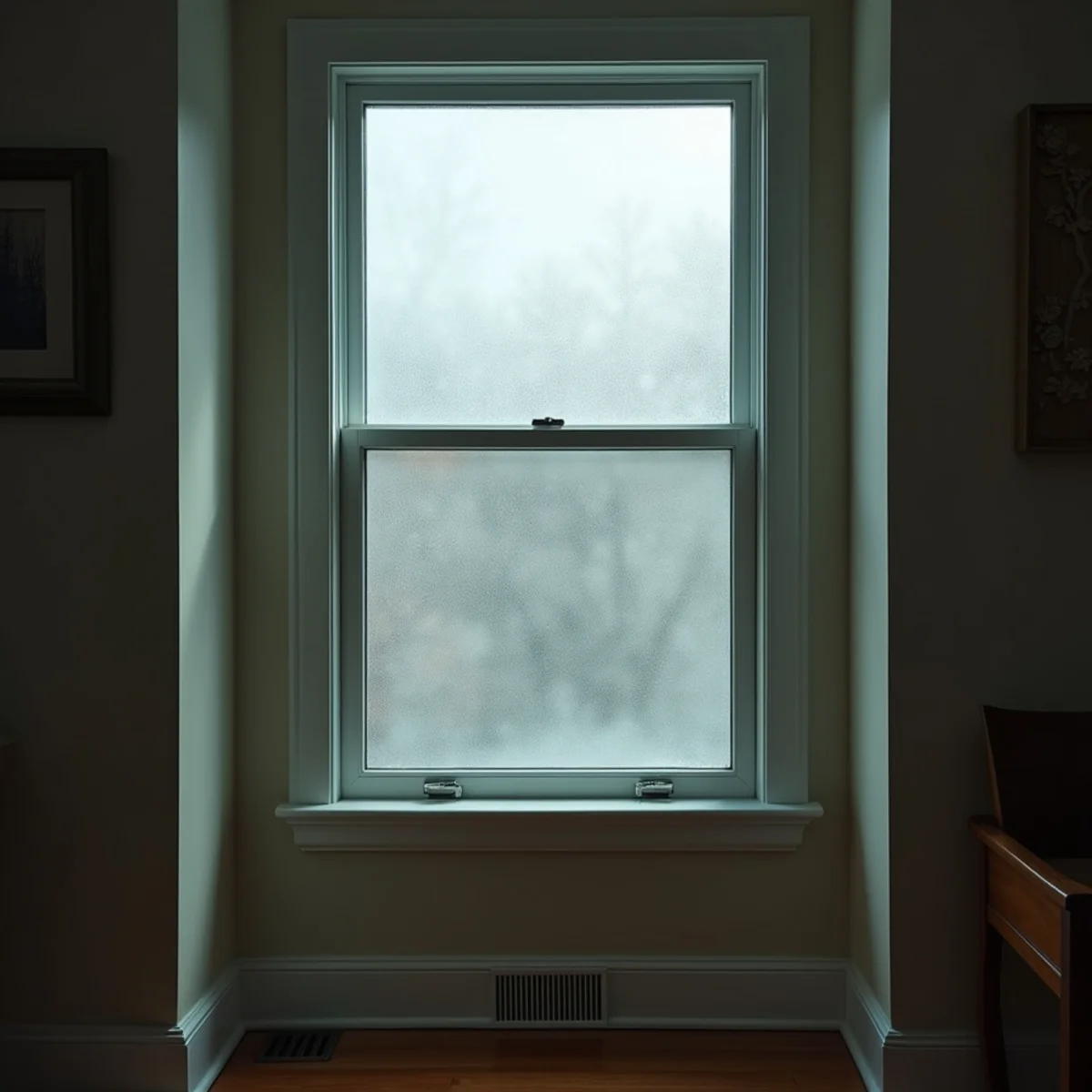
High indoor humidity shows up as sticky or clammy air even when the thermostat is satisfied, condensation on windows, musty smells, and doors that stick in their frames. Low humidity shows up as static shocks, dry throats, gaps opening in wood floors, and dust that seems to hang in the air. In Oklahoma both happen in the same house — high in summer, low in winter — and the fixes are different for each.
This guide covers the question above in depth for Oklahoma City homes and businesses. Here is what it walks through:
- The short answer: read the direction first
- Signs your indoor humidity is too high
- Signs your indoor humidity is too low
- Why Oklahoma homes swing between both
- What's usually behind high summer humidity
- What's usually behind low winter humidity
- How to measure it yourself before you call anyone
- When humidity is a system problem, not a weather problem
- A note on health claims
What makes this guide useful: A two-column symptom decoder table, 'Your House Is Telling You Something,' listing 14 specific observable signs down the left (foggy windows only in one room, sticky air at 72°F, static shocks on carpet, musty smell at the return, cupping hardwood near a vent, etc.) and three columns across: 'Likely humidity direction', 'Most common HVAC cause', and 'What to check first'. Paired with a seasonal humidity range chart for a central Oklahoma home showing typical outdoor dew point by month against the general indoor comfort band, so readers understand why the same house swings both directions. Manufacturer pages sell a dehumidifier or humidifier; none give a symptom-to-cause decoder.
If your house feels sticky no matter where you set the thermostat, call Serrato Heat and Air at (327) 210-5999 — we'll look at whether it's the system, the ducts, or the sizing.