
Blog Category
Commercial HVAC Articles
Commercial HVAC articles for Oklahoma City homeowners and businesses.
Commercial HVAC articles
A Small Business Owner's Commercial HVAC Maintenance Checklist
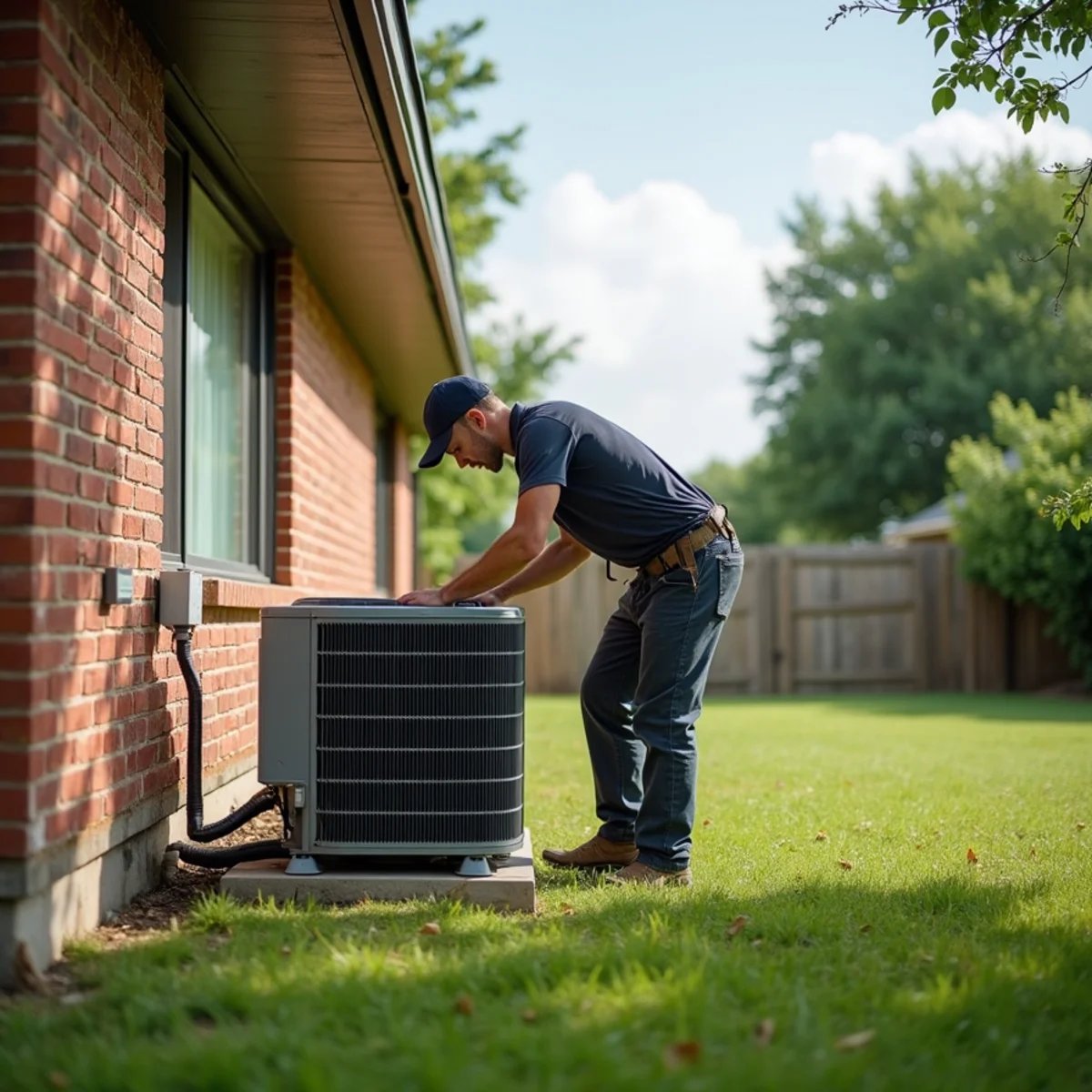
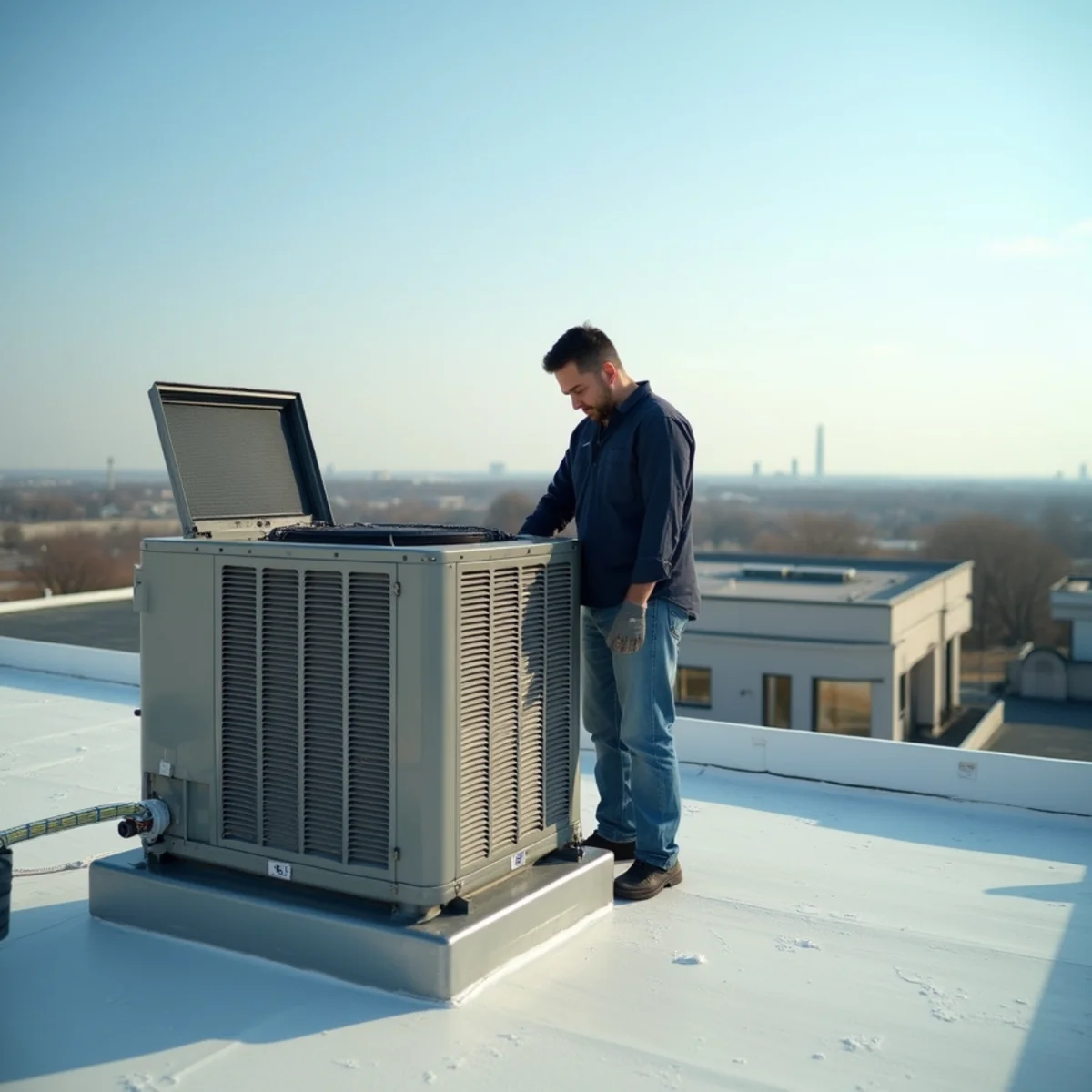
Commercial HVAC maintenance breaks into three tiers: what your staff can check monthly (filters, drain pans, unobstructed returns, unusual noises), what needs a technician twice a year (coil cleaning, belts, electrical connections, refrigerant charge, controls), and what gets logged so you can spot a trend before it becomes a shutdown. The single most valuable habit for a small business is keeping a written log — most emergency calls we see were preceded by something someone noticed weeks earlier and didn't write down.
Read more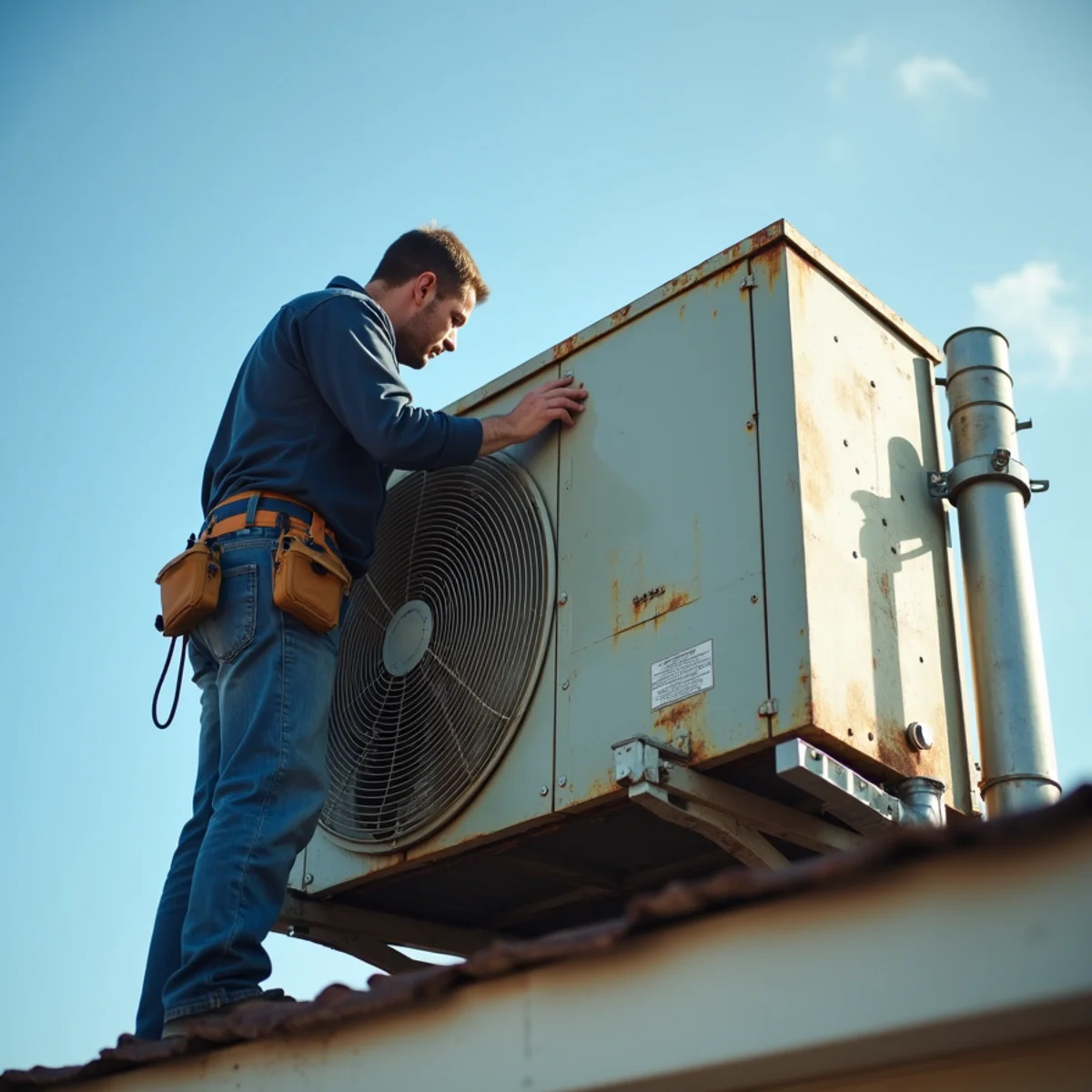
Rooftop Unit Warning Signs Every Facility Manager Should Know
The rooftop unit warning signs that can't wait are burning or electrical smells, a breaker that trips repeatedly, visible smoke, and any gas odor near the unit or its vents. The signs that mean 'schedule service soon' are short cycling, ice on the coil or refrigerant lines, rising energy use with no change in weather, water pooling around the curb, and comfort complaints that move around the building. Nearly every expensive rooftop failure sends one of these signals first.
Read more
How Property Managers Reduce HVAC Service Disruptions to Tenants
Most tenant-facing HVAC disruption isn't caused by the failure itself — it's caused by not knowing which unit serves which space, not having the failure history to predict it, and scheduling the fix during business hours. The three changes that reduce disruption most are a unit-to-tenant map every technician can use, a complaint triage process that separates comfort issues from equipment failures before a truck rolls, and scheduling planned work around tenant operating hours instead of yours. None of it requires new equipment.
Read more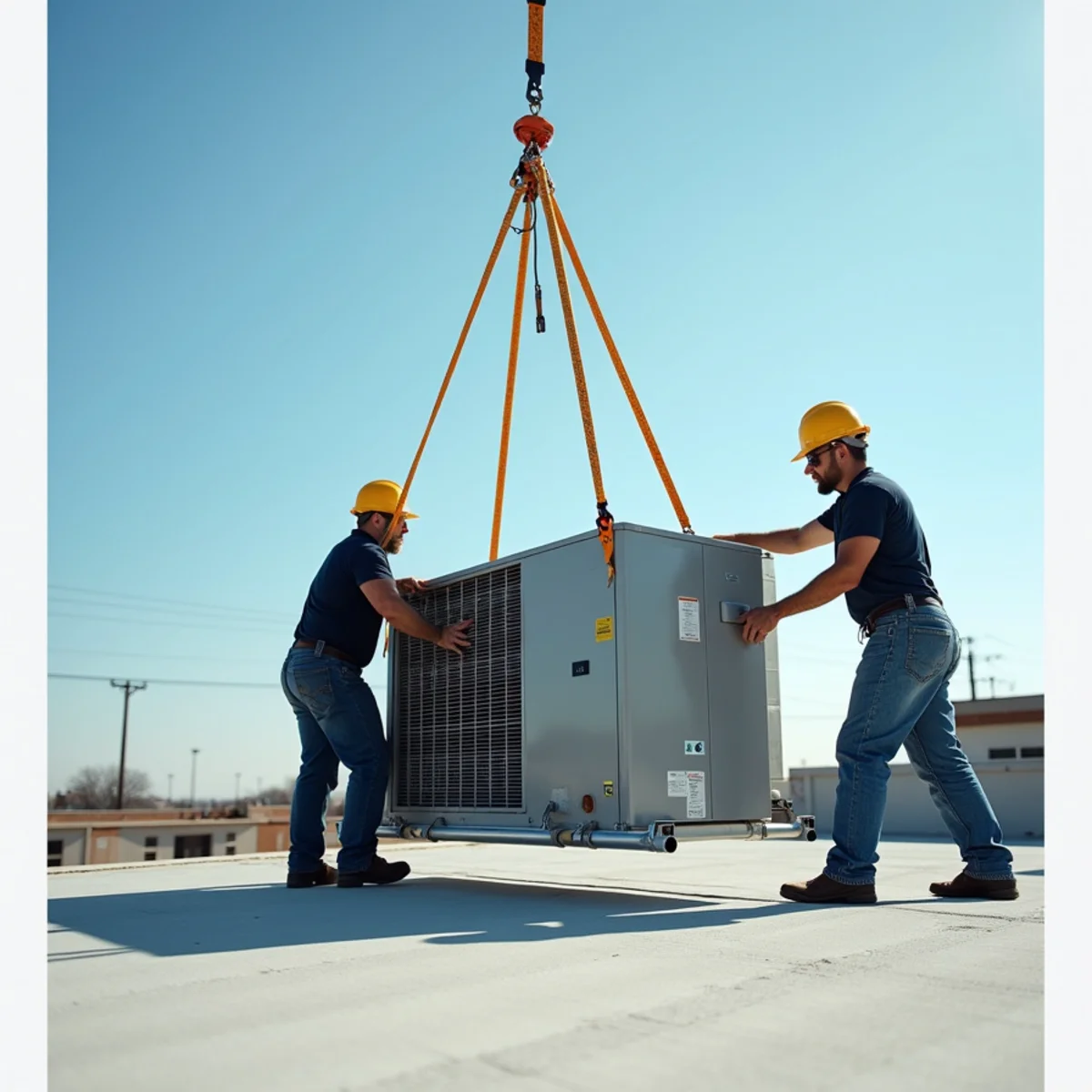
Planning a Commercial HVAC Replacement Without Shutting Down
Most commercial HVAC replacements can be done without closing, but only if the planning starts months before the equipment fails. The three decisions that determine whether you stay open are timing (shoulder season, when the unit you're replacing isn't carrying the building), sequencing (replacing one unit at a time so the others cover the load), and lead time (ordering equipment before you need it, not after it dies). The businesses that end up closing are almost always the ones that waited for a failure in July.
Read moreNeed Heating or Air Conditioning Help in Oklahoma City?
Tell Serrato Heat and Air what your system is doing, what type of property you have, and the best way to reach you.